
Basement waterproofing · Cedar City, Utah
Basement waterproofing & perimeter drains in Cedar City, UT: find where the water comes from before you pay for drains
Not every damp basement needs a drain. Gutters, grading, a plumbing leak and plain condensation all leave a wet floor, and each has a different fix. Find the source first, then decide whether the answer is under the slab or outside the wall.
Basement damp or wet?
- WATER NOW
- Move belongings off the floor and note where it enters
- PLUMBING FIRST
- Run the meter test to rule out a leak
- NEAR POWER
- Stay clear of outlets and the panel when the floor is wet
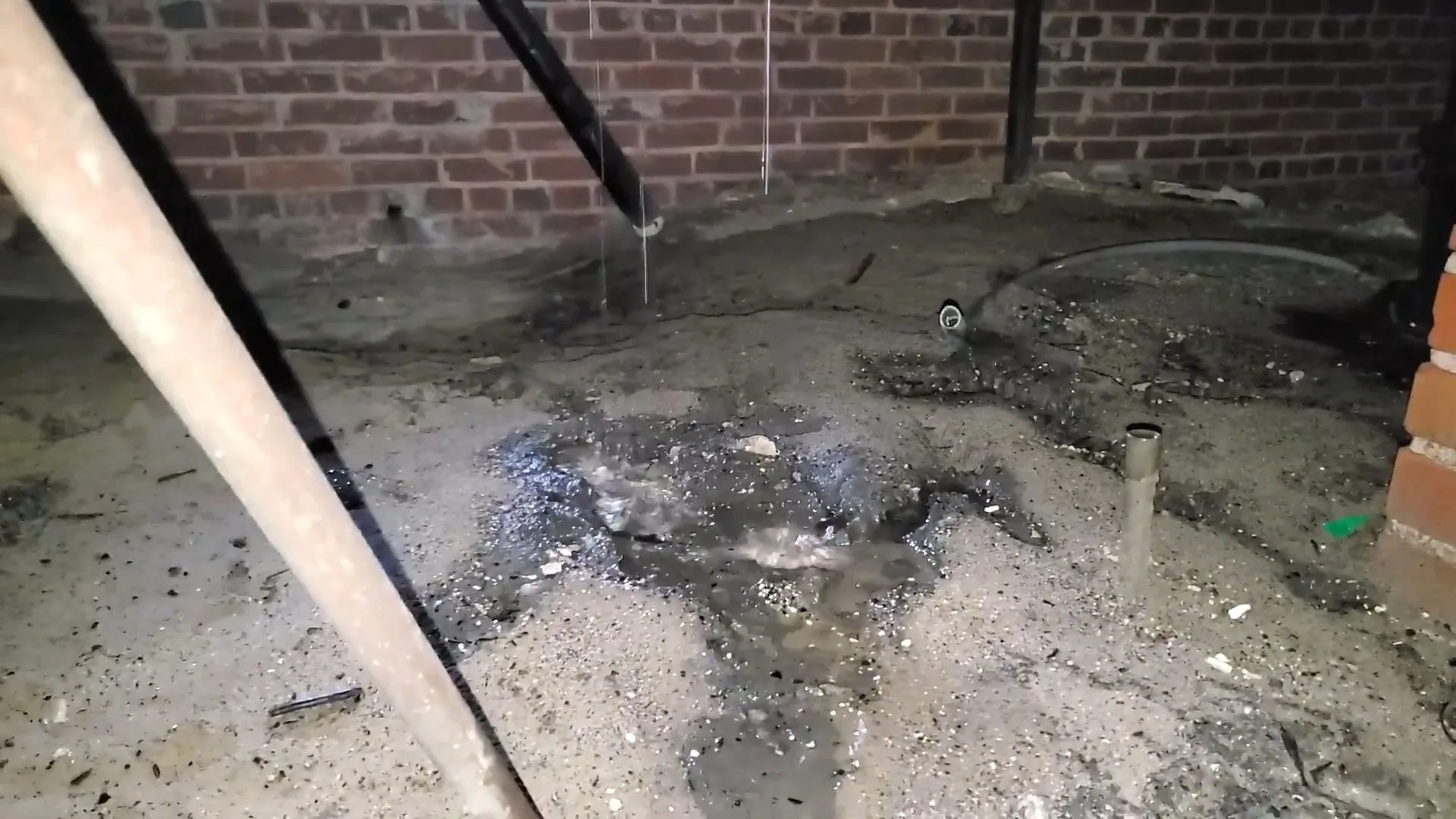
This page is for homes with a basement, a lower level or a crawl space that gets damp. If your home sits on a slab with no lower level, most of it does not apply, and the leak pages are the better place to start.
Is it groundwater, a plumbing leak or condensation?
Three very different problems look the same on a basement floor. The table matches what you see to the likeliest cause and the check that tells them apart.
| What you see | Likely cause | How to check |
|---|---|---|
| Damp patches on walls in humid weather, no stains | Condensation from room air meeting a cool wall | Tape a square of foil to the wall for a day. Moisture on the room side of the foil points to condensation. Moisture under it points to water coming through the wall. |
| Water at the floor-and-wall joint after rain or snowmelt | Surface water reaching the foundation | Keep a log of when it appears. Check gutters, downspouts and the grading outside. |
| Water shows up in dry weather, or the meter moves | A plumbing leak | Run the meter test for a hidden leak. |
| Wet near a floor drain, heater or washer | A drain, appliance or supply connection | See whether it appears only when the washer runs or a fixture drains. |
| White chalky powder on masonry walls | Moisture has moved through the wall over time | It shows past moisture, not that water is entering now. Watch for fresh dampness. |
Run the no-cost checks before you hire anyone
- Run the meter test. If the meter moves with everything off, you have a plumbing problem, not a drainage one.
- Do the foil test on one damp wall and leave it for a day.
- Write down when water appears: after rain, after snowmelt, after watering the lawn or after laundry.
- Look at the downspouts. They should discharge well away from the foundation, not at the wall.
- Check that the ground slopes away from the house and that window wells are clear.
- Look at sprinkler heads near the foundation. Spray that hits the wall can look like a leaking wall.
These steps cost nothing and settle the question more often than people expect. They also give a plumber or contractor something specific to work from when you call.
Water coming in and not sure why?
Call and describe where it shows up and when. A plumber can tell you what to check next.
Why local averages will not diagnose your basement
Snowmelt puts water against the foundation
Cedar City gets about 48 inches of snow a year. Melt from roofs and yards runs wherever the gutters and grading send it.
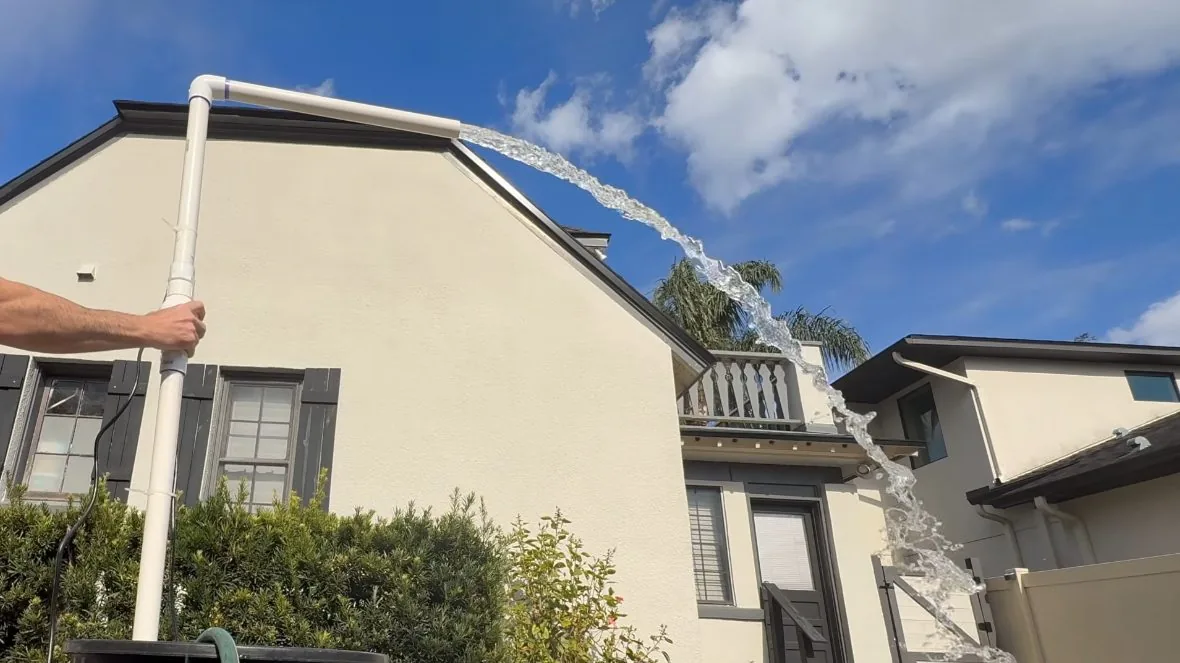
Look at where your downspouts empty and how the ground slopes before the next melt. Fixing a downspout that dumps at the wall can cost far less than any drain.
Source: climate normals on Wikipedia’s Cedar City page; secondary source.
What the city says about groundwater
Cedar City’s 2024 water plan describes a valley water table that is declining, about 3 feet a year, because the aquifer is being pumped faster than it recharges.
That says nothing about the ground around your house, and local conditions can differ. It is a reason to treat surface water, plumbing leaks and condensation as the first suspects and to have a plumber confirm the source before you pay for waterproofing.
Source: Cedar City Water Conservation Plan, 2024, pages 6 and 9.
Who fixes which part of a wet basement
| Problem | Who handles it | Why |
|---|---|---|
| Gutters and downspouts | A roofer or gutter contractor | It is a roof-drainage job, not a plumbing one |
| Grading, window wells and sprinkler spray | A landscaper or the homeowner | It is about where water goes before it reaches the wall |
| A supply line or drain leak | A plumber | The meter test and a leak search settle this |
| Cracks that widen or a wall that bows | A structural engineer or foundation specialist | That is a structural question, not a drainage one |
| Interior perimeter drainage | A plumber or drainage contractor | This is what this page covers |
When a perimeter drain is the right answer
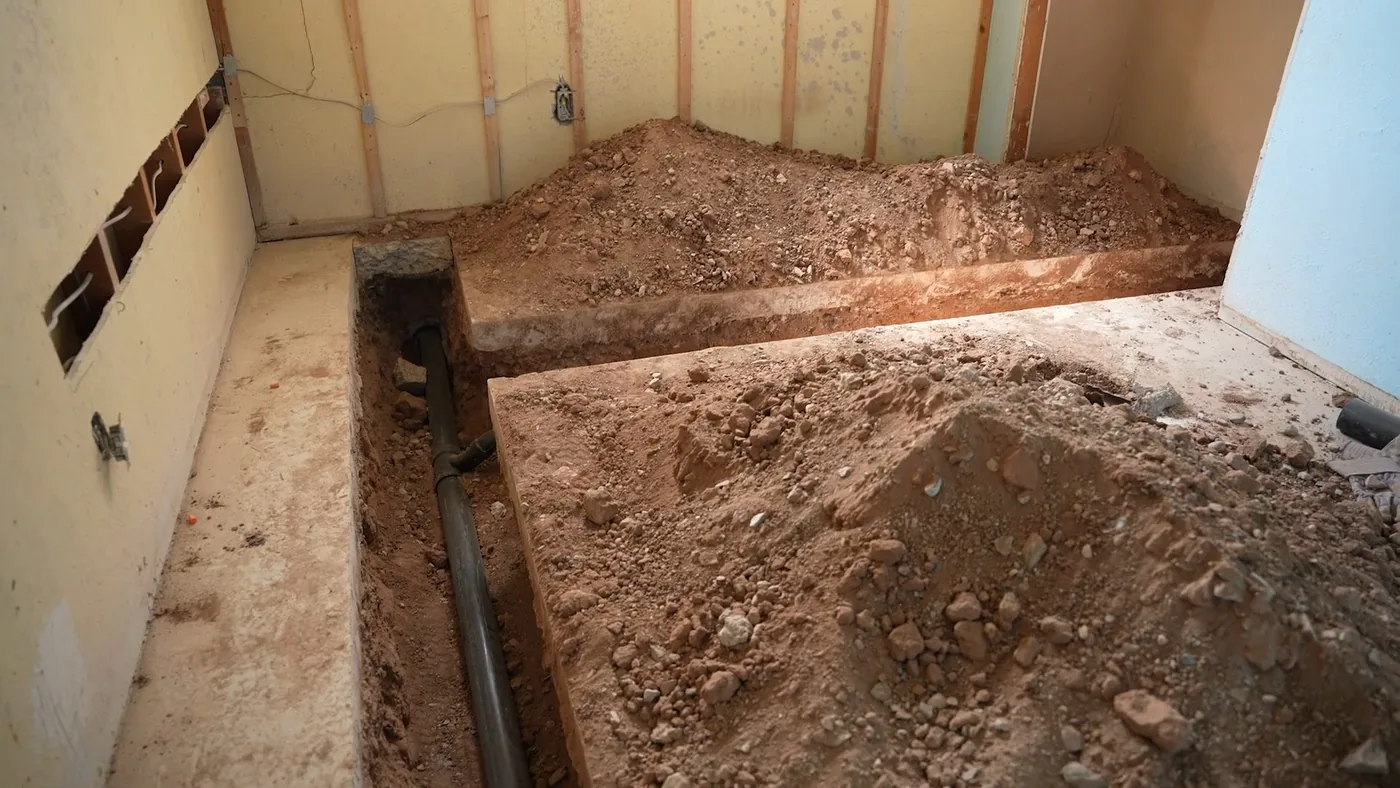
If water keeps entering at the floor-and-wall joint after the outside is fixed and the plumbing is cleared, collecting and moving that water is the next step. That is what a perimeter drain does. It gives water a path to leave instead of a place to sit.
| Option | What it involves | What it disturbs | When it fits |
|---|---|---|---|
| Interior perimeter drain | A channel cut along the inside of the slab edge, with drain pipe set in gravel and the concrete patched over it | The basement floor edge, and some dust and noise | Water enters at the floor-and-wall joint and the outside cannot be dug up |
| Exterior drain | Excavation around the foundation to expose the wall, seal it and lay drain pipe | Landscaping, patios and walkways beside the house | Water is coming through the wall itself and access outside is clear |
| Drainage fixes outside only | Gutters, downspout extensions, regrading and clear window wells | Very little | The water is surface water, which is common |
Ask where the collected water ends up and how that exit stays clear and works through a hard freeze. A drain that has nowhere to discharge will fail the first winter. If the answer is vague, keep asking.
Paint-on sealers: fine for dampness, not for active water
A paint-on sealer can slow minor seepage and dampness. It does not stop water that is pushing through a wall under pressure, and it often peels when it fails. Treat it as a cosmetic or minor fix, never as an answer to active water.
If a contractor proposes only a coating for a basement that takes in water after rain, ask what stops the water from coming back. The honest answer names the source and the path it takes.
Questions to put to a waterproofing contractor before signing
- What is causing the water, and how do they know? Ask for photos, readings or a recorded test.
- Which part of the problem will the proposed work fix, and what will it leave alone?
- Was the plumbing ruled out before drainage work was proposed?
- Where does the collected water go, and what happens in a freeze?
- What happens if the water keeps coming in after the work, and is that written down?
- A written quote that lists the work item by item
How urgent is the water?
Water that needs a call today
- Water is entering steadily or standing on the floor
- Sewage is coming up through a floor drain
- Water is rising near outlets, the panel or the furnace
- Water is coming through a wall in a stream
Damp that can wait for the thaw
- Damp patches in humid weather
- White powder on walls with no fresh moisture
- A musty smell that has not changed
- Planning drainage work for after the thaw
If water has already soaked carpet, drywall or stored belongings, cleanup after a leak is a separate job that starts with drying. The 24 to 48 hour window matters.
Questions about damp basements and drainage
How do I tell condensation from a leak in my basement?
Tape a square of foil to the damp wall and leave it for a day. If moisture collects on the room side of the foil, the cause is condensation from room air. If the wall behind the foil is wet, water is coming through the wall. Also run the meter test to rule out a plumbing leak before assuming anything else.
Is a damp basement a plumbing problem?
Sometimes. A supply or drain leak can wet a basement and is a plumber’s job, and the meter test is the first check. Most damp basements are caused by water outside, from gutters, grading or snowmelt, and those fixes belong to a roofer or landscaper. A plumber is the right call when the cause points to a pipe or when interior drainage is needed.
What is a perimeter drain?
It is a drain that collects water along the edge of a foundation and carries it to an exit. An interior version is cut into the basement floor edge. An exterior version is laid outside, against the foundation wall. Both only work if the water has somewhere safe to go, so ask where the collected water ends up.
Will waterproofing stop all dampness in a basement?
Nobody can promise that. Stopping the cause, such as a downspout that dumps at the wall, often does the most. Drains and coatings help with what remains. Ask what is causing the water, what the proposed work fixes, and what happens if the water returns.
Plumbing causes to rule out first
Basement wet and the source unclear?
Call and describe where and when the water appears. You will talk to a plumber, not fill in a form.