
Slab leak repair · Cedar City, Utah
Slab leak repair in Cedar City, UT: warm spots on the floor, running-water sounds and a meter that will not stop
A leak under a concrete floor is hard to see and expensive to ignore. Before anyone breaks concrete, you need to know the leak is really there, what the repair options disturb, and what to write down while it is fresh.
Suspect a leak under the floor?
- IF WATER IS ACTIVE
- Shut off the main water valve
- HEAR HISSING
- If it smells like gas, leave and call the gas utility or 911
- KEEP RECORDS
- Photograph damage and write down meter readings
Signs the leak may be under the slab
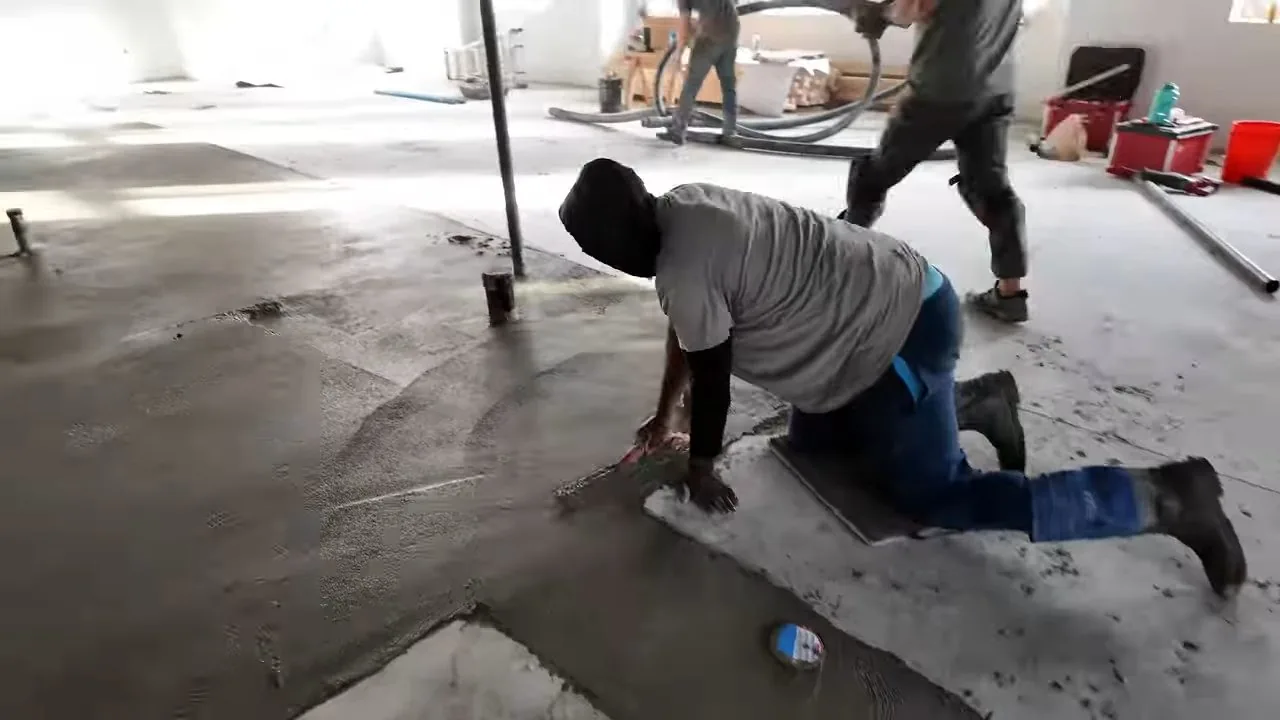
A slab leak rarely announces itself. The water runs into the ground or the concrete, so the first clues are indirect. Several of the signs below together are far more telling than any one.
- A warm or hot spot on the floor, often where a hot water line runs below
- The sound of water running or hissing when every fixture is off
- A meter that keeps turning with the whole house shut down
- Damp carpet, lifting flooring or a stain along a baseboard
- Low pressure, or a heater that seems to run all the time
- A musty smell with no source you can see
These signs only apply if your home sits on a slab. A home with a crawl space or basement shows the same signs for a different reason, and the search starts in a different place.
Is the leak really under the slab? Rule out the easy ones first
Plenty of leaks pass for slab leaks. Work through the list below before you accept a repair that means opening a floor.
- Run the the meter test for hidden leaks. If the meter does not move, you do not have a continuous leak.
- Shut off the main valve inside the house and check the meter again. If it stops, the leak is inside the house. If it keeps turning, the leak is in the line before the valve.
- Test each toilet with a few drops of food coloring in the tank and fifteen minutes without flushing.
- Look for dampness at the water heater, under sinks and at outdoor hose connections.
- Note any area where the floor is warm, damp or soft, and mark it with painter’s tape.
If the meter moves with the main open and the main shut stops it, the leak is somewhere in the house piping. That includes walls, ceilings and the floor. A plumber still has to find out which.
Meter moving and a warm spot on the floor?
Call and describe what you found. The plumber can tell you whether it points to the slab.
Three ways a slab leak gets fixed
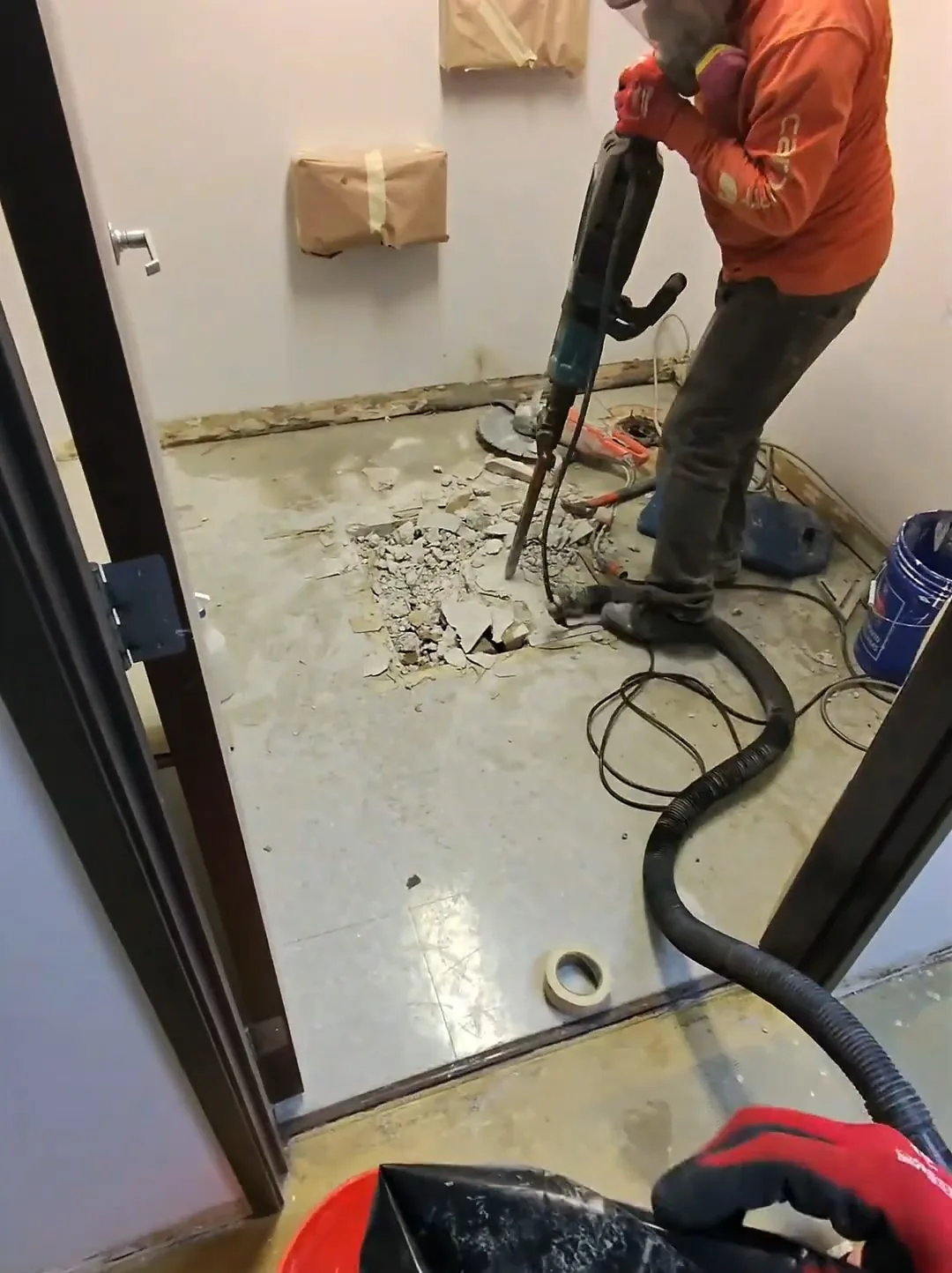
Once the leak is located, there are usually three options. They trade disruption now against durability later, and the right one depends on the pipe, not on a standard package.
| Option | What it involves | What it disturbs | When it fits |
|---|---|---|---|
| Spot repair through the slab | Cut the concrete above the leak, repair the pipe, then patch the slab | The flooring above the leak, plus concrete dust and noise | A single leak in a pipe that is otherwise sound and easy to reach |
| Reroute the line overhead | Abandon the leaking line and run a new one through walls or the attic | Wall and ceiling sections, patched afterward | Repeated leaks on the same line, or a line that is hard to reach through the floor |
| Replace the lines throughout | Install new piping to the fixtures that are failing or all of them | Walls and ceilings in many rooms | Leaks in more than one line, or pipe that is failing everywhere |
Ask which option the plumber recommends and why. If the answer is a reroute, ask whether it is a patch for one line or a first step toward replacing the plumbing in the house.
Can a slab leak hurt the foundation, and who checks that?
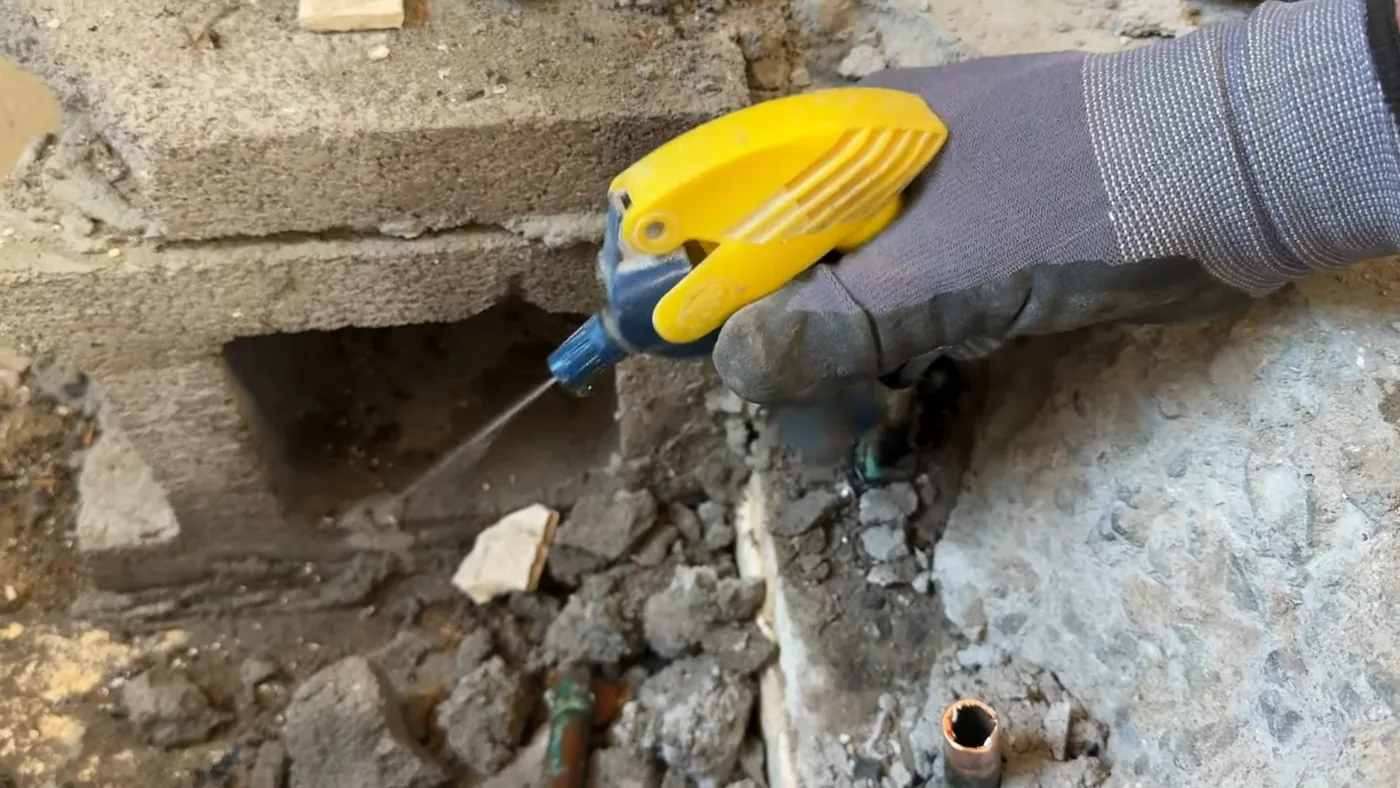
Water escaping under a slab can soften the soil beneath it. Over time that can contribute to settling or cracking. How much depends on the soil and on how long the leak ran, and nobody can judge it from a plumbing call.
A plumber inspects the pipe and the leak. A structural engineer or foundation specialist judges the foundation. If you see new cracks, doors that stick or gaps at the baseboards, mention them early and ask whether a foundation inspection makes sense after the leak is stopped.
Questions to ask before anyone cuts the slab
- Does the home have post-tension cables in the slab? If it does, they must be located before cutting. Check the original plans or ask the builder.
- Will the plumber scan the floor and mark the pipe and any cables before cutting?
- What material and age is the pipe under the slab? The age of the home often explains why a line is failing.
- What is the plan to patch the concrete and bring the floor back to level?
What to document before you file an insurance claim
Coverage for a slab leak varies by policy, and nobody on a plumbing call can promise what your insurer will pay. What you can do is build a record while the evidence is still there.
- Photograph the damage, the warm spots and the meter, with the date visible.
- Write down meter readings and the times you took them.
- Keep the last several water bills, especially any that jumped.
- Ask the plumber for a written note of where the leak was found, how it was confirmed and what repair is proposed.
- Keep receipts, and ask your insurer what to save before you throw out damaged materials.
Call the insurer early and read the policy for what it says about access to the pipe and resulting damage. Those two items are where policies differ most.
Could ground movement be behind your slab leak?
What the Utah Geological Survey reports
Pumping groundwater faster than it recharges has lowered the water table in Cedar Valley by as much as 114 feet since 1939. More than 110 square miles of the valley floor has subsided, by up to 4 feet since 1950.
The survey does not document pipe or foundation damage in Cedar City homes, so do not assume ground movement caused your leak. Ask the plumber to record where the pipe failed and whether the pipe or the slab has shifted, because that record matters for both the repair and a claim.
Source: Utah Geological Survey, Survey Notes, vol. 43, no. 1, January 2011.
When the problem is not the slab: who handles what
A plumber finds and repairs the pipe. Other parts of the job belong to other people, and a straight answer about that early saves time.
- Drying and cleanup of wet floors and walls is water damage restoration, a separate job from the pipe repair.
- New flooring over a repaired slab is a flooring contractor’s work, not the plumber’s.
- The claim itself is between you and your insurer. The plumber supplies the findings.
- A hissing sound with a gas smell is not a water leak. Leave the building and call the gas utility or 911.
How fast does a suspected slab leak need attention?
Act today
- Floors are wet or soaked and the meter is spinning
- The meter keeps turning with the house fully shut down
- A hot spot on the floor that is getting larger
- Water appearing at the foundation or along the baseboards
Plan the repair
- One faint warm spot with no other signs, once the meter test is clean
- A small, steady rise in the water bill
- A damp smell that has not changed in weeks
- A repair estimate you want to compare
Questions about slab leaks, repairs and claims
What are the signs of a hidden slab leak?
Warm spots on the floor, the sound of running water with every fixture off, a meter that keeps turning, damp carpet or a stained baseboard, low pressure, and a higher water bill. Several signs together are more telling than one. A leak that is confirmed by the meter test still needs a plumber to locate it, because the signs do not say where the pipe is leaking.
Does fixing a slab leak always mean breaking the floor?
No. A spot repair does open the slab above the leak, but a leak can also be handled by rerouting the line through walls or the attic. The right choice depends on where the leak is, how many lines are failing and what the pipe looks like. Ask for the options with what each one disturbs.
How can I tell whether the leak is under the slab or somewhere else?
Run the meter test, then shut off the main valve inside the house and check again. If the meter stops, the leak is inside the house, but it could be in a wall or ceiling as well as the floor. Test toilets with food coloring and check under sinks and at the heater. A plumber has to pinpoint the final location.
Should I keep using water while I wait for a plumber?
If water is actively damaging floors, shut off the main valve and call. If the evidence is a warm spot or a meter reading and nothing is wet, you can use water sparingly while you wait, but avoid leaving any fixture running. Write down meter readings so the plumber has a starting point.
If the leak is more than the slab
Meter turning, floor warm or damp?
Call and describe the signs and what the meter did. You will talk to a plumber, not fill in a form.