
Repiping · Cedar City, Utah
Whole-house repiping in Cedar City, UT: when repeated leaks, low pressure or rusty water mean the pipes are done
One leak is a repair. A second and a third in the same house is a pattern. Repiping is a large decision, so start by confirming what your pipes are, what they are doing and whether replacement is really the cheaper path.
Thinking about repiping?
- FIRST
- Note where each leak happened and the date
- CHECK THE PIPE
- See whether it is copper, steel or plastic
- BEFORE YOU DECIDE
- Ask for the repair option and the repipe quoted side by side
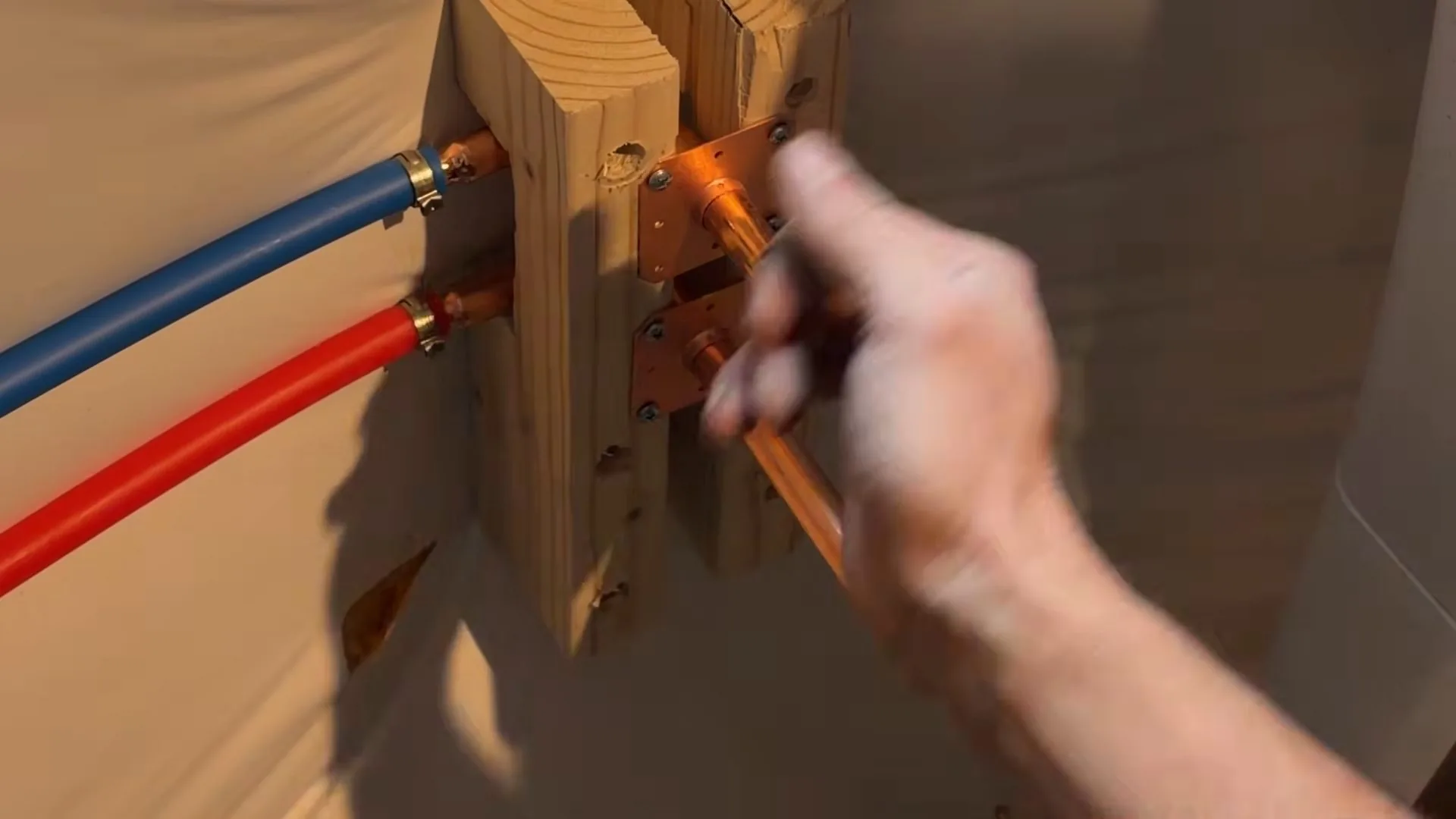
Repair the leak or replace the pipes? Signs it is time
Most leaks are repairs. Repiping makes sense when the pipe itself is failing, not just one spot on it. The table shows which signs point which way.
| What you see | Points toward | Why |
|---|---|---|
| One leak at a joint or fitting | Repair | A single failed connection does not say the rest are weak |
| A second and third pinhole in the same line within a short time | Repipe that line, or the house | The pipe wall is wearing through in more than one place |
| Low pressure at several fixtures, with the main valve fully open | Check first, then repipe if confirmed | Corroded or scaled pipe can narrow until little water gets through |
| Rusty or brown water from hot and cold taps | Repipe if the pipe is steel | Old steel pipe corrodes from the inside |
| Leaks after earlier repairs in different rooms | Repipe | Each repair stresses the old pipe next to it |
| A leak caused by a freeze, with the rest of the pipe sound | Repair | The failure was an event, not wear |
Before any quote, find every leak. A plumber can finding every leak so the decision rests on the whole picture, not the latest drip.
Check what you have: copper, galvanized steel or plastic
You can tell a lot about your pipes with a magnet and a flashlight. Look at the pipe where it enters the house, near the water heater and under sinks.
- If a magnet sticks and the pipe is dull gray, it is galvanized steel.
- If the pipe is reddish brown or green-tinged and a magnet does not stick, it is copper.
- If it is flexible tubing in red, blue or white, it is probably PEX.
- Take photos of each and note where the pipe changes material.
Give those photos to the plumber. A pipe of a given material and age fails in predictable ways, and the quote should reflect what you actually have.
Very hard water and old pipe
What hardness means inside a pipe
A USGS estimate based on Iron County samples puts water hardness at about 13 grains per gallon, classed as very hard. That is a county estimate, not a measurement of your tap.
Scale can build up on the inside of older pipe and narrow it. If your pressure is low and the pipe is old, ask the plumber to cut out a small section and show you the inside. Test your own tap water before choosing whether to add treatment with the new pipe.
Source: USGS county-level estimate as published on tapwaterdata.com; secondary source.
If the tap is very hard, a softener with the new lines is easier to do while the walls are open. It is a separate decision, and the repipe does not depend on it.
Several leaks and one pipe type?
Call and describe where the leaks were and what the pipe looks like. A plumber can tell you whether a repipe is worth pricing.
PEX, copper or something else?
| Material | Strengths | Trade-offs |
|---|---|---|
| PEX | Flexible, runs through walls with few joints, and tolerates some freezing better than rigid pipe | Not freeze-proof, and it should not sit in direct sunlight |
| Copper | Long record, rigid, handles heat well | More joints, more labor, and a higher material cost than PEX |
| Staying with the existing material | Matches what is already there | A mix of old and new pipe means old pipe still has to be trusted |
Ask which material the plumber recommends and why. Ask whether it is accepted by the local code, and what warranty comes with the pipe and the labor.
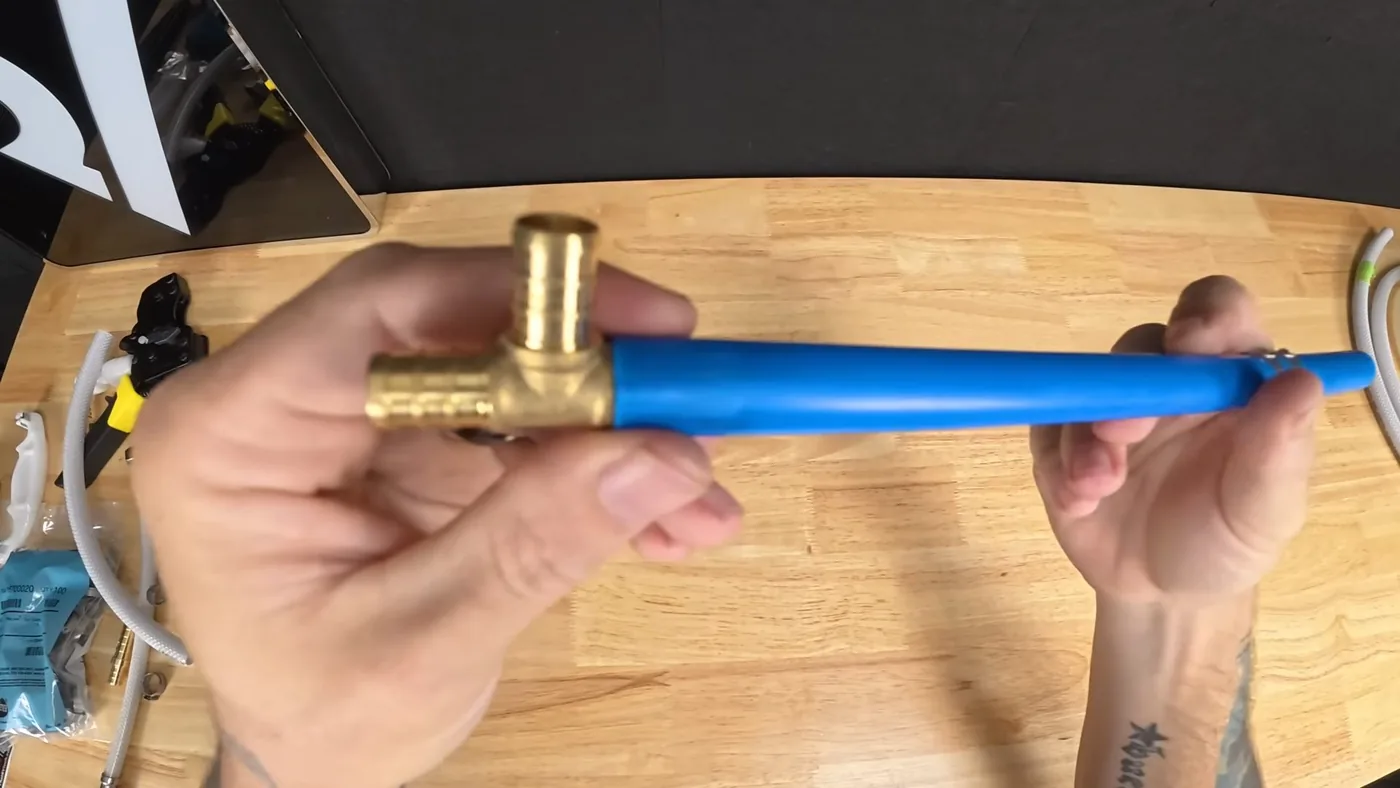
How a repipe is done, and what it disturbs
- The plumber plans the new routes and decides where walls and ceilings must be opened.
- Water is shut off, and the old lines are cut and capped.
- New lines are run to each fixture, the water heater and the outdoor spigots.
- The system is pressure-tested before anything is closed up.
- Access holes are patched, or left for a drywall contractor if the quote says so.
Ask how the water will be off, and for how long, and whether the job can be phased so you keep some water. Do not accept a vague answer. A written schedule is a fair thing to ask for.
What to ask for in a repipe quote
- Which lines are included: supply lines, shutoff valves, hose bibs and water heater connections
- The material, brand and warranty, in writing
- Who patches and paints the walls that are opened
- Whether a permit and inspection apply, and who files them
- The pressure test result, recorded before walls are closed
- The repair option and the repipe, quoted separately so you can compare
Freeze exposure and the route the new pipe takes
Cedar City winters and pipe routing
January nights in Cedar City average about 18°F. Pipes in exterior walls, garages and vented crawl spaces see those temperatures.
A repipe is the best chance to route lines through warm interior walls and out of cold spaces. Ask the plumber to show you the planned routes and to flag any run that must pass through an exterior wall or an unheated space.
Source: climate normals on Wikipedia’s Cedar City page; secondary source.
If only one line is failing, there are smaller steps. rerouting a single line avoids opening a slab, and a burst pipe repair fixes one failure. Ask which fits.
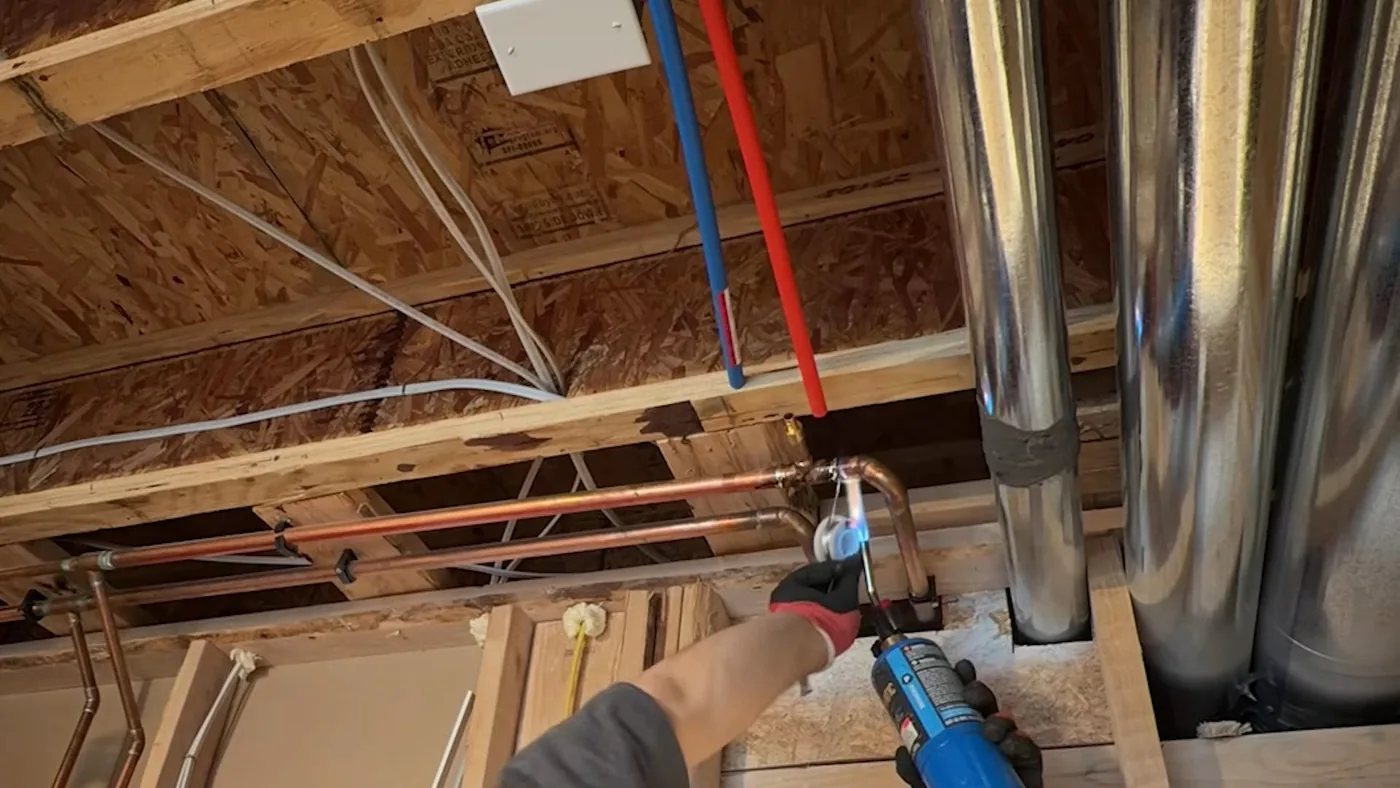
Which repiping situations cannot wait
Needs attention now
- A pipe that is actively leaking or spraying
- Discolored water that stays brown after running
- Water pressure that has dropped sharply
- A leak behind a finished wall that keeps returning
A project to plan
- A second pinhole in a line that is otherwise holding
- Old steel or mixed piping with no leaks yet
- Low pressure that is steady and not getting worse
- Combining the repipe with a remodel or a softener
Repiping questions before you commit
When do repeated pinhole leaks mean the pipes should be replaced?
A single pinhole can be repaired. Two or three in the same line within a short time usually mean the pipe wall is wearing through in several places, and patching each one gets slower and costlier than replacing the run. Ask the plumber to look at the pipe on either side of each leak, and to quote the repair and the replacement together.
How do I know whether my pipes are copper, steel or PEX?
A magnet sticks to galvanized steel, which is dull gray, and not to copper, which is reddish brown or green. PEX is flexible tubing, usually red, blue or white. Check where the line enters the house and near the water heater, and send photos if you call.
Does a repipe mean opening a lot of walls?
It usually means some access openings, but not always whole walls. Flexible pipe such as PEX can often be fished through walls with limited openings. The plumber should show you the planned routes, say which walls will be opened, and say who patches them.
Do I need a permit to repipe my house in Cedar City?
Permit rules are set by the city, so ask the plumber whether a permit applies in Cedar City, who files it and whether an inspection is required. Get the answer in writing with the quote.
Related repipe services: leak detection, heaters and softeners
Leaks in more than one place?
Call and describe where the leaks were and what the pipe looks like. You will talk to a plumber, not fill in a form.