
Water leak detection
A high bill or a damp spot and no visible source. Start with the meter test.
Find the leakServices · Cedar City, Utah
Eighteen kinds of plumbing work, grouped by the problem you are looking at. Open the page closest to what you see, or call and describe it and a plumber can tell you where it fits.
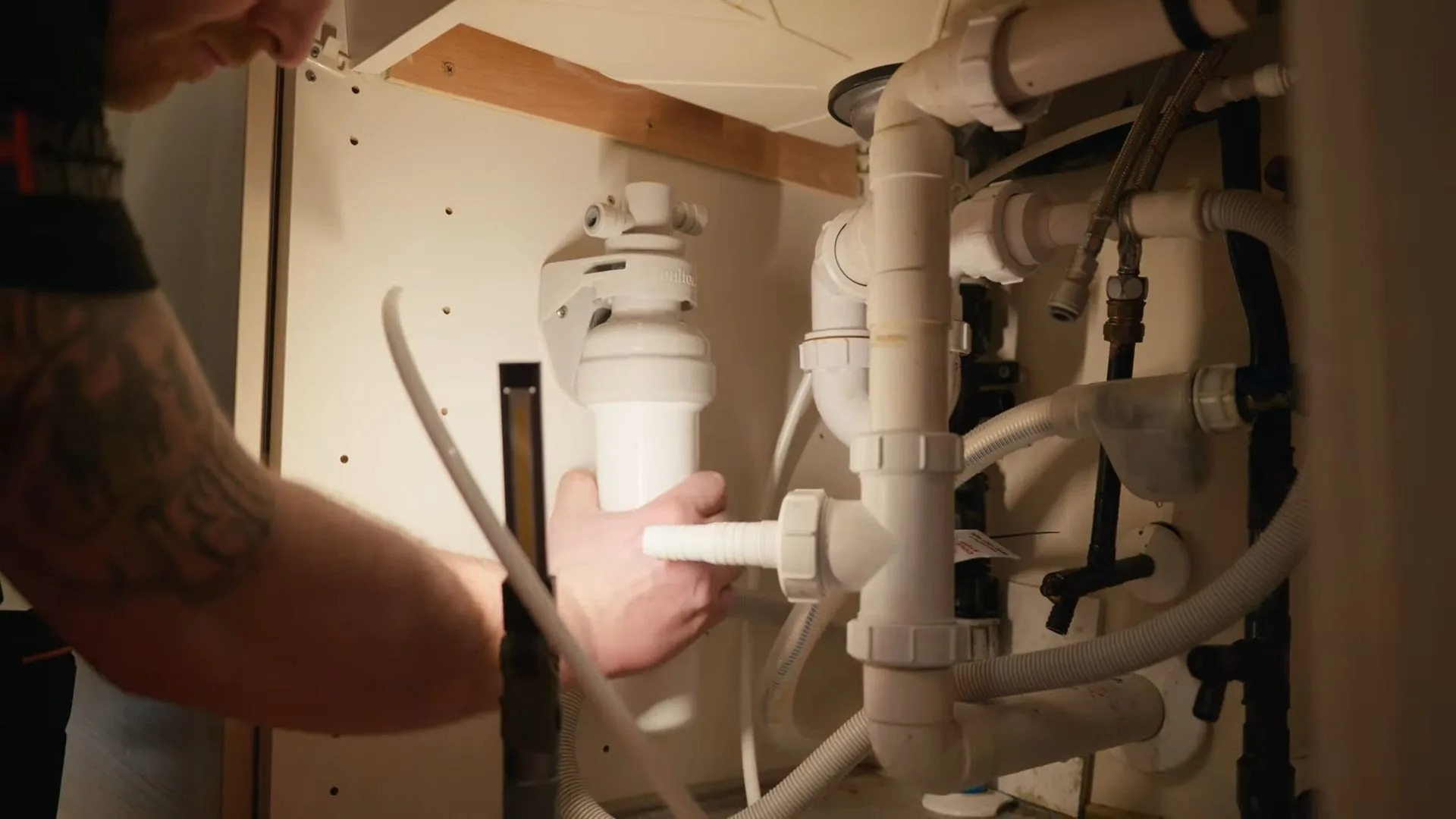
Most plumbing calls start with a symptom, not a service name: a stain, a smell, a sound or a bill. The groups below are arranged that way. Each page explains the likely causes, what to check before you call and what to ask the plumber.
If you are not sure which page applies, call. A plumber can usually tell from your description where to start.
Water where it should not be, or a bill that says it is. These pages cover finding the source, stopping it and what comes next.
A high bill or a damp spot and no visible source. Start with the meter test.
Find the leakWater you cannot stop, frozen pipes and the first ten minutes.
Stop a burst pipeWarm floors, a running meter and the choice between breaking the slab and rerouting.
Check for a slab leakRemoving water and drying the structure after a leak. The plumbing repair is separate.
See what cleanup coversSeepage and standing water in a lower level, and what a drain system does.
Look at waterproofingCedar City water is estimated at about 13 grains per gallon, which is very hard, so heaters and scale go together.
No hot water, popping sounds and leaks, and whether a repair is worth it.
Diagnose the heaterChoosing between tank, tankless and heat pump models, and what the swap involves.
Plan a replacementGas line and venting questions, flushing and descaling in hard water.
Compare tanklessWhat to ask for before buying a softener, and what it needs once installed.
Ask about softeners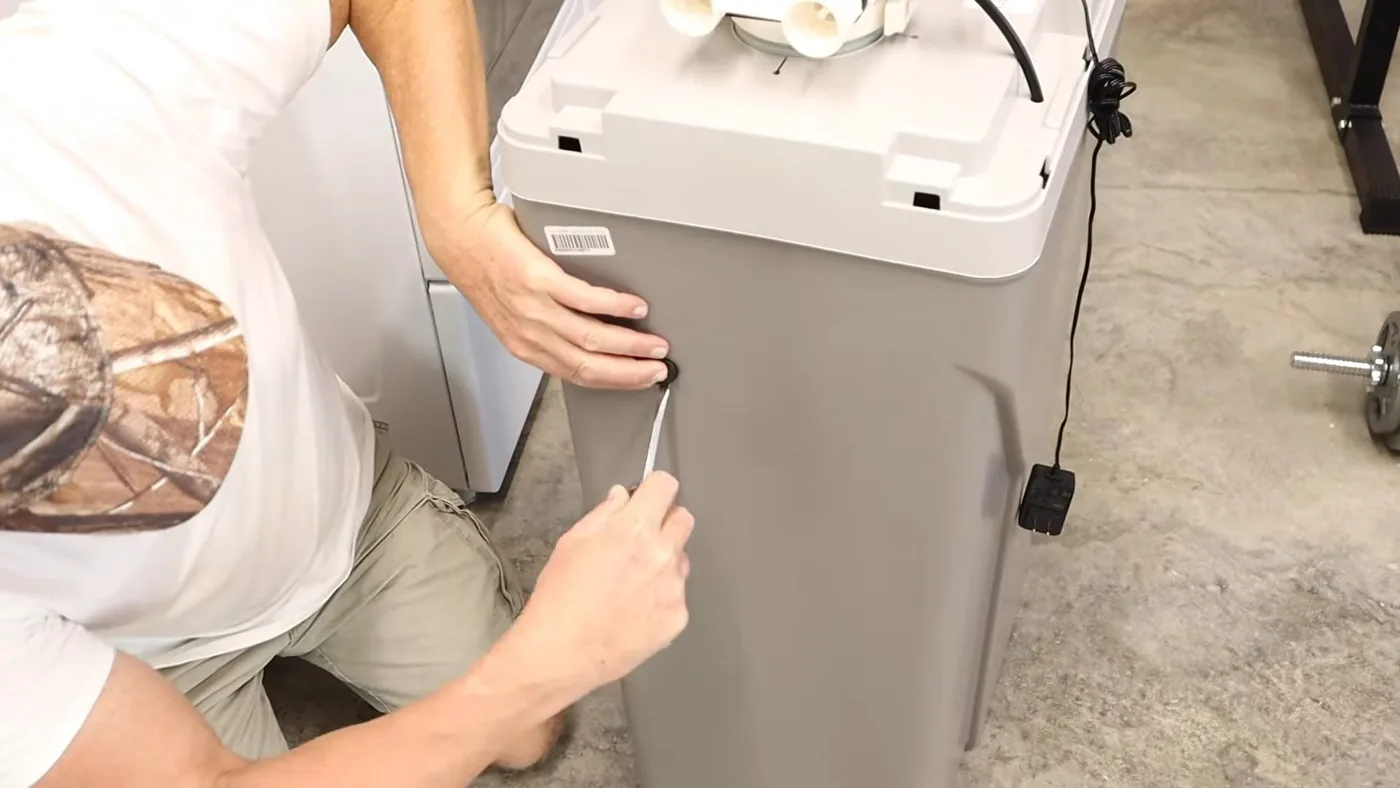
A slow drain at one sink is a different problem from a backup in several fixtures. These pages help you tell which you have.
Repeat clogs, the limits of a snake and when to ask for a camera.
Clear a drainScouring a main line when grease or roots keep coming back.
See what jetting doesBackups, roots and breaks, and what a recorded camera pass should show.
Deal with a sewer problemWhen a damaged pipe can be lined instead of dug up.
Ask about liningClose the main valve if you can, then call.
The work inside the house: pipe that is wearing out, a gas smell, and fixtures that leak, jam or run.
Pinhole leaks that keep coming back and how to tell the pipe material.
Weigh a repipeWhat to do if you smell gas, and what a plumber can and cannot do about it.
Read the gas safety stepsRunning, weak-flush and leaking toilets, and when replacement makes sense.
Fix a toiletDrips, low flow and under-sink leaks, and the parts that wear out first.
Repair a faucetHums, jams and leaks, safe reset steps and when to replace.
Reset or replace a disposalSome problems cross pages. A burst pipe leads to water damage cleanup. A heater that keeps scaling up leads to a softener question. A drain that clogs again and again leads to a camera inspection and, sometimes, lining. Where that happens, the pages link to each other so you can follow the problem instead of starting over.
For what these jobs typically cost, see what these jobs cost. For quick answers, see common plumbing questions. For neighborhoods and ZIP codes in range, see the places we cover page.
This site covers the eighteen kinds of work listed here. Septic tanks, sump pumps and backflow devices are outside what these pages cover. If your problem is not on the list, call and describe it.
Start with the symptom. Water where it should not be goes under leaks, bursts and water damage. No hot water goes under water heaters. Slow or backed-up drains go under drains and sewer lines. A gas smell is an emergency: leave the building and call the gas utility or 911 first.
Yes. Calls to this number are covered for ZIP codes 84720 and 84721, which include Cedar City and Enoch. Call with your address and ZIP and the person who answers will confirm.
No. Prices depend on what the plumber finds. The cost guide shows wide planning ranges for common jobs, and a real quote comes from the plumber after diagnosis.
Call and describe it. You will talk to a plumber, not fill in a form.