
Water softeners · Cedar City, Utah
Water softener installation in Cedar City, UT: testing your tap, sizing a system, filtration and what to ask first
Hard water is the background problem behind spotted glass, short-lived water heaters and faucets that clog. Before buying anything, find out what is in your water, because the size and type of system depend on it.
Softener plan in three steps: test, size and service
- FIRST
- Test your tap water, not just the county estimate
- THEN
- Size for your household and your hardness
- ASK
- Who services it and how often
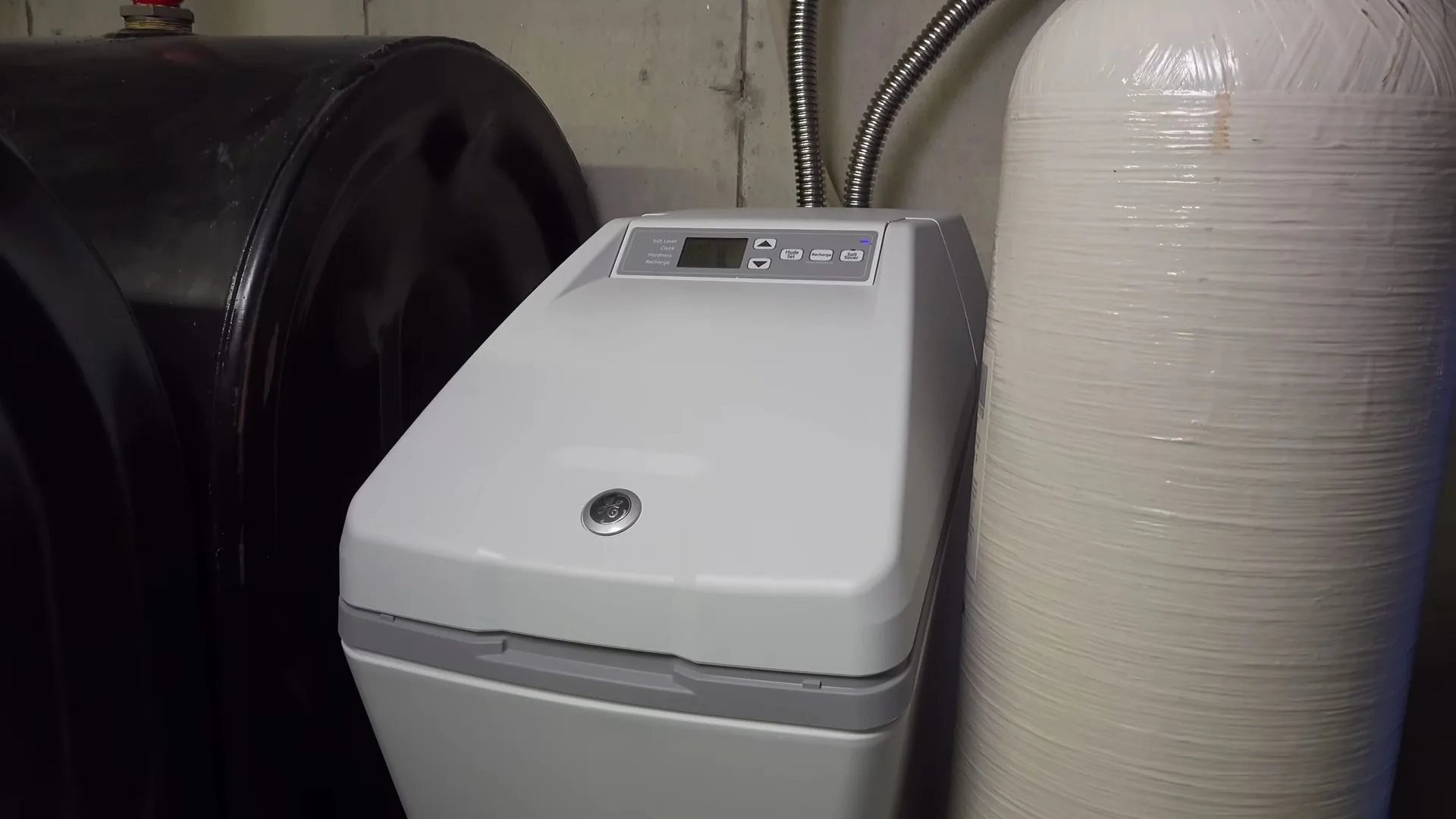
Start by testing your tap water
What we know about Cedar City water
A USGS estimate based on 873 Iron County samples puts hardness at about 224 mg/L, or 13.1 grains per gallon, classed as very hard. The source says plainly that this is a county estimate, not a measurement at your tap.
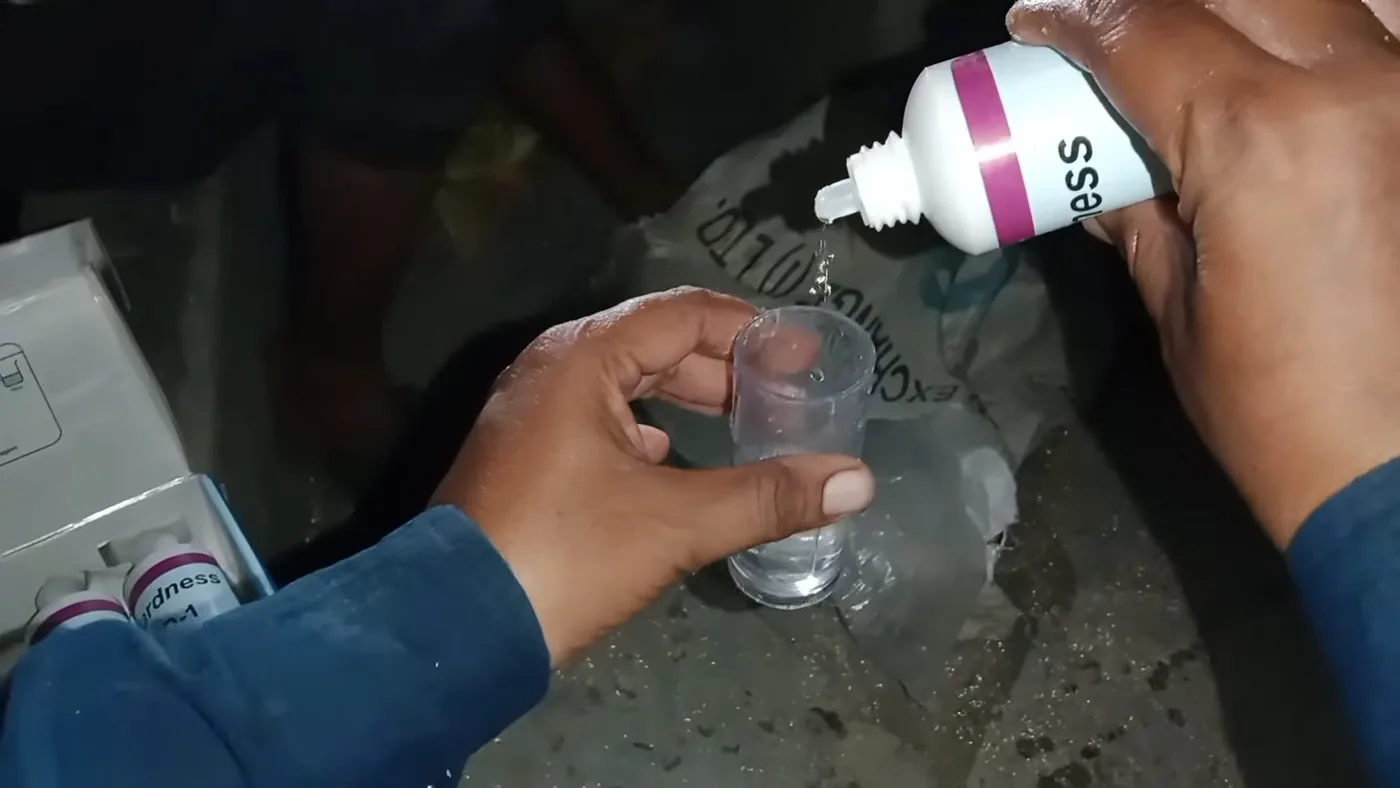
Get a hardness test on your own tap water before you size a system. A reading at your tap is what a softener is sized to, and it tells you whether the county number applies to your house.
Source: tapwaterdata.com, a USGS county-level estimate; secondary source.
Cedar City Waterworks supplies the city from wells, springs and a surface-water pump station. Ask the utility for its latest water quality report, which lists what it measures at the source.
Is your water changing?
A drawn-down aquifer and what it means for testing
The city’s 2024 water conservation plan says wells draw about 28,000 acre-feet a year against a safe yield of 21,000, and the water table is falling about 3 feet a year. It also notes a lower-quality aquifer that may have begun to mix with the good one.
That does not tell you what is in your water. It does mean a test taken once is a snapshot, so repeat it if you notice a change in taste, scale or staining.
Source: Cedar City Water Conservation Plan 2024, pp. 6 and 9 (conservewater.utah.gov); primary source.
What hard water costs you in the house
- Scale on faucets, aerators and showerheads that cuts flow
- Sediment and scale in water heaters, which shortens their life. See heater problems from scale.
- Spotted glassware and a film on shower doors
- Soap that does not lather well and dry skin after bathing
- Scale inside older pipes that can narrow them over time
Not every house needs a softener. A house with new fixtures and a recently replaced heater may do well with maintenance alone. A home with a tankless unit is a stronger case.
Softener, filter or both: what each does
| System | What it addresses | Keep in mind |
|---|---|---|
| Salt-based softener | Removes hardness minerals from the whole house | It uses salt and water to regenerate, and needs a drain for the discharge |
| Non-salt conditioner | Changes how scale forms rather than removing it | Results vary, so ask what the claim is based on |
| Sediment or carbon filter | Removes particles, taste and odor | It does not soften water |
| Reverse osmosis at one tap | Treats drinking water at the sink | It serves one tap, not the house |
A whole-house filtration system is a separate decision from a softener. Ask what each part is supposed to remove, and how that will be measured.
Want to talk through water treatment?
Call and describe what you see at the faucets and the heater. A plumber can say whether a test and a system make sense.
Sizing a softener to your house
- Get your tap hardness in grains per gallon.
- Count the people in the house and note how much water you use.
- Ask the plumber to calculate the capacity between regenerations from those two numbers.
- Ask how often it regenerates and how much salt and water that uses.
- Ask whether the control valve is the metered kind or runs on a timer.
An undersized unit regenerates too often and wears out sooner. An oversized unit can sit between regenerations long enough to stale the resin. The plumber should explain the choice.
Softener space needs: water main, drain, outlet and bypass
- A spot near the water main with room for the tank and a salt tank
- A drain for the regeneration discharge, or a plan for where the water goes
- An electrical outlet nearby
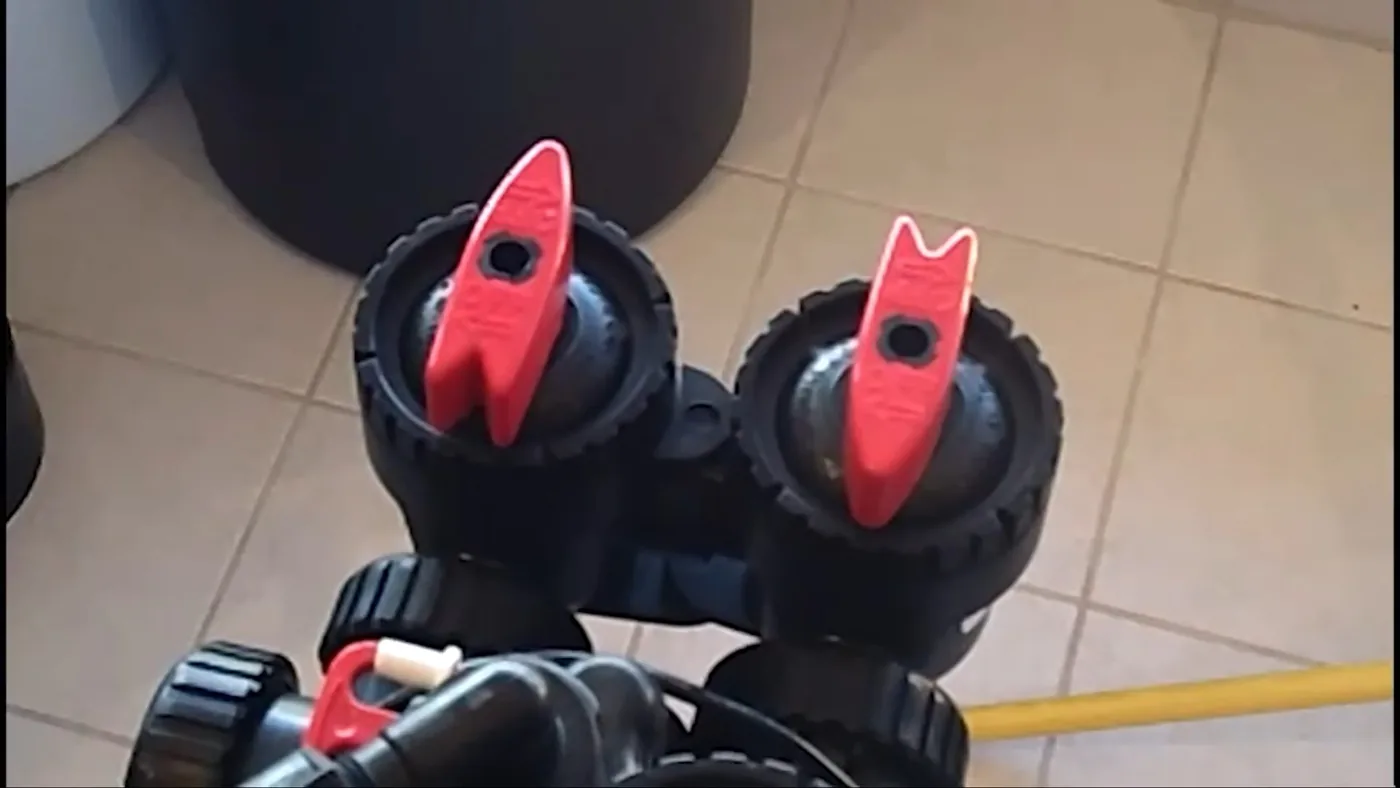
- A bypass valve so you can isolate the unit
- Separate untreated lines for outdoor taps, if you want to keep them untreated
- A freeze plan if the unit is in a garage or outbuilding
Rules about discharging softener wastewater to the sewer or a septic tank are set locally and were not available to check for this page. Ask the plumber and the city.
Service and repair of an existing softener
If your softener no longer softens, the cause is often simple. Check these first.
- Is there salt in the brine tank, and is it bridged into a crust?
- Is the bypass valve open to the unit?
- Is the control valve powered, and does it show a regeneration cycle?
- Has hardness returned only recently? Resin can wear out over time.
If those checks do not help, the plumber should test the water before and after the unit. A test shows whether the unit works.
What to ask before buying or replacing a softener
- A hardness test at your tap, and what it showed
- The unit’s capacity, regeneration frequency and salt and water use
- Who services it and how, and what the warranty covers
- What it does to water heater and appliance warranties
- Costs listed separately for equipment, bypass, drain and wiring
- Whether a permit applies in Cedar City
Upkeep: salt, resin and cleaning the brine tank
- Check the salt level every month or two and keep it above the water line.
- Break up any crust or bridge that forms in the salt, since a bridge can leave the unit with no brine.
- Use the salt type the maker specifies, since some types leave more residue.
- Clean the brine tank when residue builds up at the bottom.
- Ask how long the resin is expected to last in water as hard as yours.
Outdoor taps, drinking water and the rest of the house
Many homeowners soften the whole house but keep outdoor taps on untreated water. Softened water costs salt and capacity, and a lawn and garden do not need it. The plumber can plumb the outdoor lines ahead of the unit.
Some people also prefer untreated water for drinking because softening adds a small amount of sodium. A separate drinking water tap or a reverse osmosis unit at the kitchen sink solves that. Ask your doctor if sodium in the diet is a concern.
Hard water signs that call for action
Water quality: act now or plan
- Sudden change in taste, smell or color
- A softener leaking brine onto the floor
- A control valve that runs constantly
- No water pressure after a softener was installed
Treatment projects to plan
- Spotted glass and a film in the shower
- A heater that scales up quickly
- A new tankless heater that needs protecting
- A remodel with new fixtures
Hard water and treatment questions
Is Cedar City water hard, and what does it do to my water heater?
A USGS estimate for Iron County puts hardness at about 13.1 grains per gallon, which is very hard. It is a county estimate, not a tap reading. Hard water leaves scale in tanks and on elements, so ask a plumber how to manage sediment and whether treatment makes sense.
What should I ask for before buying or replacing a water softener?
Ask for a hardness test at your tap, the unit’s capacity and regeneration schedule, how much salt and water it uses, who services it and what the warranty covers. Ask for equipment, drain and wiring costs on separate lines.
Do I need a softener if I have a tankless water heater?
It is not required, but scale builds up inside a tankless unit and cuts flow. A softener reduces that work. Test your water and check the heater maker’s warranty for water quality conditions.
Does a non-salt system do the same thing as a softener?
No. A non-salt conditioner changes how scale forms instead of removing hardness. Ask what results the maker documents and whether those apply to water as hard as yours.
Where hard water shows up
Ready to test your water and size a system?
Call and describe what you see at the faucets and the heater. You will talk to a plumber, not fill in a form.