
Emergency pipe repair · Cedar City, Utah
Burst & broken pipe repair in Cedar City, UT: frozen lines, flooding and what to do in the first few minutes
A pipe that lets go can put gallons on the floor every minute. What you do before the plumber is on the phone decides how much of the house gets wet, and a frozen pipe that has not burst yet needs a different answer.
Pipe burst or leaking hard?
- FIRST
- Close the main water valve inside the house
- THEN
- Open a low faucet to drain the lines
- WATER NEAR POWER
- Stay clear and call 911 if anything sparks
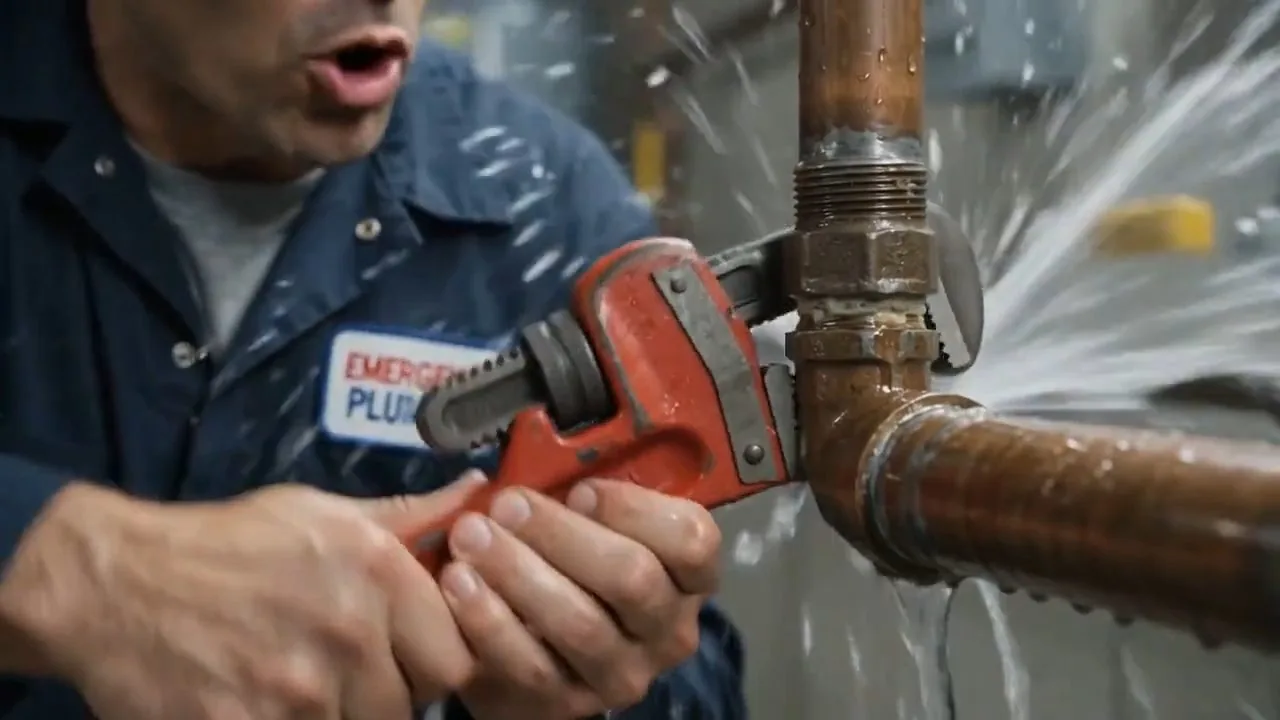
Water is pouring: the first five minutes
Stop the water before you do anything else. Everything that comes after, including the repair and the cleanup, gets smaller the faster the supply is closed.
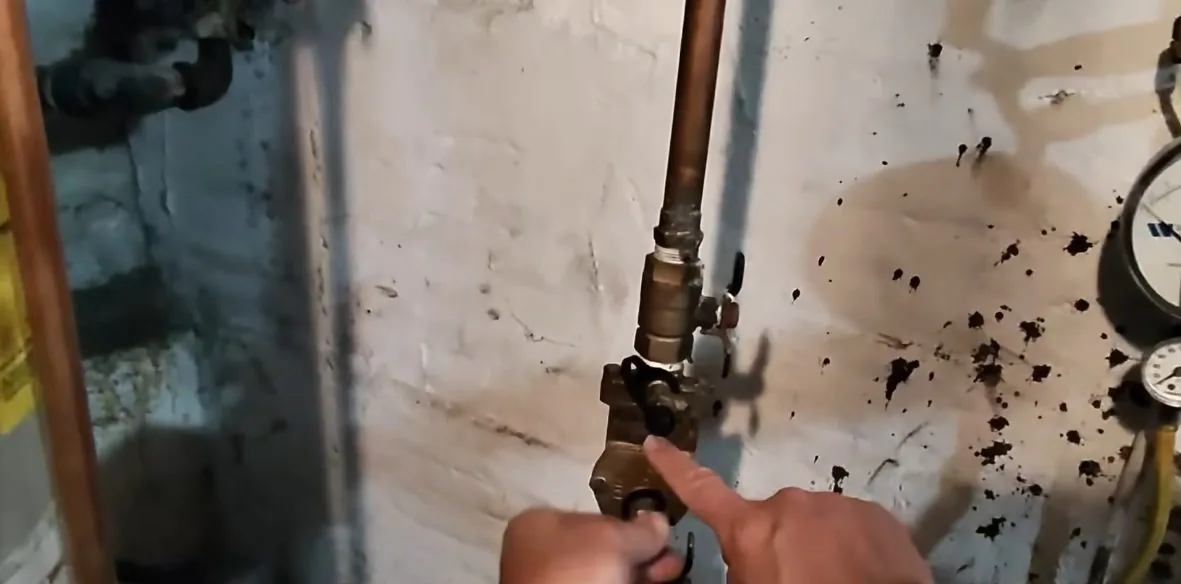
- Close the main water valve inside the house. It is usually where the supply line enters, often in a garage, utility room or basement.
- Open a faucet at the lowest point in the house to drain the pressure out of the lines.
- Switch off the water heater at its breaker or gas control so it does not run dry or overheat.
- If water is near outlets, the panel or a ceiling light, keep away from it. Call 911 if anything sparks or smells burnt.
- Photograph the damage, move belongings off wet floors, and call.
Learn where your main valve is before you need it. If you cannot find it or cannot close it, call the city water department and ask about shutting the water off at the meter. Do not force the valve in the meter box.
Pipe split and water still running?
Call now and describe where the water is coming from. The plumber can talk you through the shutoff.
Frozen but not burst yet: thaw it or call?
A pipe that has frozen solid has not necessarily cracked. The ice is the problem now, and the break often shows up later, once it thaws and the pressure comes back.
| What you see | What it usually means | What to do |
|---|---|---|
| No water from one faucet in a hard freeze | A frozen section on that line | Open the faucet, keep the heat on and warm the area gently. Never use a flame. |
| A visible bulge or frost on an exposed pipe | Ice is expanding inside the pipe | Close the main valve before it thaws, then call. This pipe may already be cracked. |
| Water suddenly returns, then drips or sprays | The pipe thawed and the crack opened | Close the main valve at once and call. |
| Several faucets dry at once | The frozen spot is on the main or the line from the meter | Call. This is often in a place you cannot reach safely. |
To thaw a pipe, use warm air from a hair dryer, starting near the faucet and working toward the frozen part. Never use a torch, a heat gun or any open flame near a pipe. If you cannot reach the frozen section, or you see any crack, close the main valve and call.
Why pipes burst after the thaw, not during the freeze
Ice blocks the pipe and pushes pressure ahead of it. The weak spot, often a joint or a thin wall, splits under that load. Because the ice is plugging the crack, nothing leaks until it melts.
That is why a house can look fine at 6 a.m. and be flooding by noon, when the sun or the heat warms the wall. If a line froze last night, check the house closely as it warms, and keep the main valve within reach.
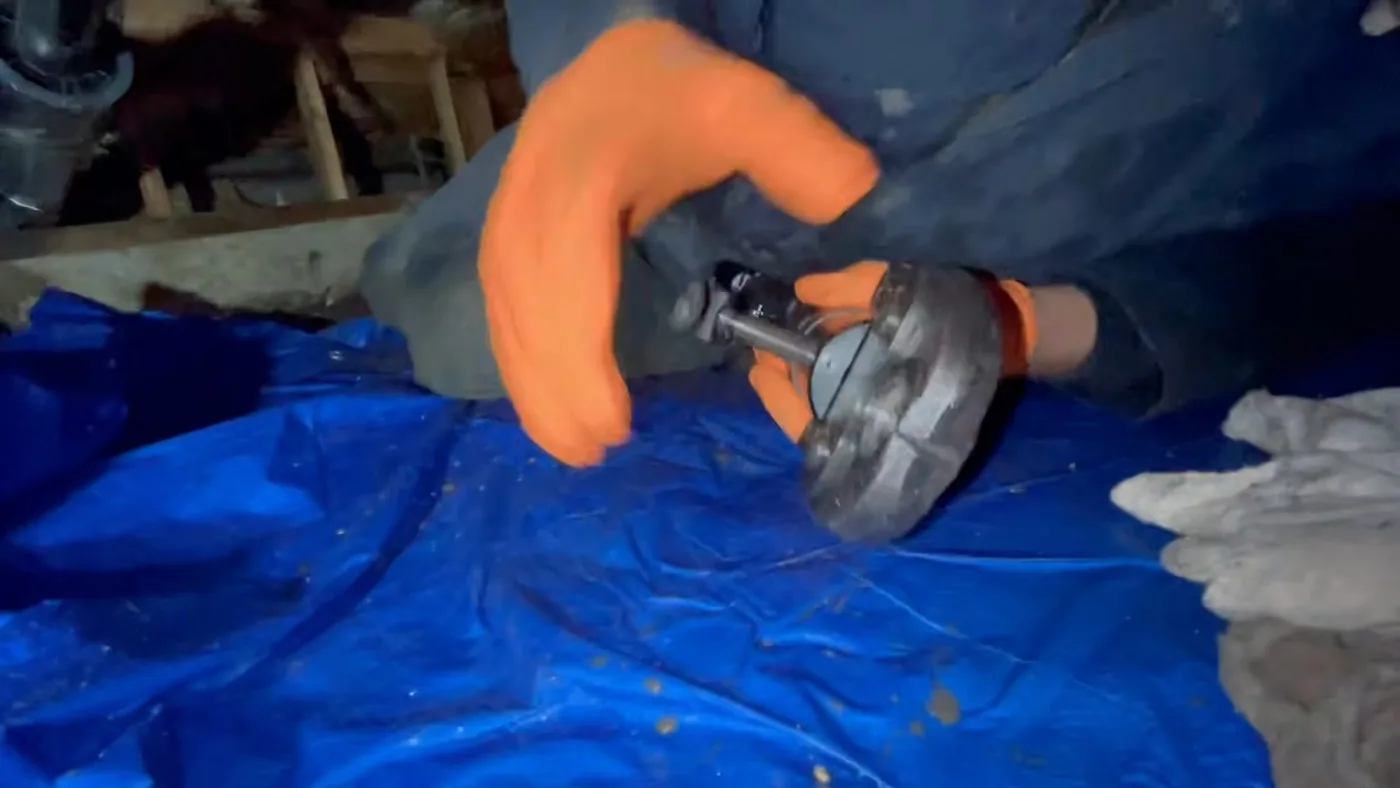
Where pipes freeze first, and what Cedar City winters ask of them
What the climate numbers mean for your pipes
January nights in Cedar City average about 18°F, and the area gets roughly 48 inches of snow a year. Iron County’s design criteria for unincorporated areas use a frost line of 30 to 48 inches depending on elevation, a winter design temperature of 8°F and a severe weathering rating.
Pipes in garages, crawl spaces and exterior walls see those temperatures. Know which of yours are exposed, and do not assume that buried lines in your yard are shallow enough to be safe. Ask the plumber how deep your service line runs, since the county figure covers unincorporated areas, not necessarily your lot.
Sources: climate normals on Wikipedia’s Cedar City page (secondary); Iron County design criteria for unincorporated areas (primary).
| Where | Why it freezes | What to do before the next cold snap |
|---|---|---|
| Garage walls and ceilings | Cold air with little heat | Insulate exposed pipes and keep the garage door closed in a hard freeze |
| Crawl spaces and vents | Outside air moves across the pipes | Close the vents in freezing weather and insulate the pipes |
| Outside hose bibs | Water trapped in the spigot | Disconnect hoses and shut off any interior valve that feeds the spigot |
| Pipes along an exterior wall | The wall cavity is cold | Open the cabinet doors under sinks on that wall during a freeze |
What the repair involves, and what to ask for
A burst pipe usually means cutting out the damaged section and putting in new pipe. How much has to change depends on how the pipe failed and what it is made of.
- Where the pipe failed, and whether the cause was freezing, corrosion or a bad joint
- Whether this was one failure or a sign that other sections are about to go
- What must be opened to reach it, and who patches the drywall afterward
- Whether the repair is a section replacement or a larger job such as replacing the lines
- A written quote for the repair before work starts
If the pipe failed from corrosion rather than freezing, ask the plumber to check the pipe on either side of the break. A second failure on the same line is a sign the whole run is tired.
After the leak: drying, photos and claims
Repairing the pipe stops the water. It does not dry the house. The EPA advises drying water-damaged areas and items within 24 to 48 hours to prevent mold growth, so start on drying quickly. See water damage cleanup for what that involves.
- Photograph everything before you move it, with the date visible
- Keep damaged materials until the insurer says you can discard them
- Write down when you found the leak and when you shut off the water
- Ask the plumber for a written note of what failed and what was repaired
A pipe that has been leaking slowly for weeks is a different problem. For that, see finding a hidden leak before you assume the damage came from one burst.
Which pipe problems cannot wait
Call right now
- Water spraying or pouring and the main valve will not close
- A frozen pipe that is bulging or has a visible crack
- Water coming through a ceiling or light fixture
- Water reaching the electrical panel or outlets
Pipe work for a calmer day
- A frozen faucet line that has thawed with no leak
- A slow drip at a joint you have already shut off
- Insulating exposed pipes before the next freeze
- A repair estimate you want to compare
Burst pipes, frozen lines and what comes next
A pipe burst. What do I do first and what can wait?
Close the main water valve inside the house first, then open a low faucet to drain the lines and switch off the water heater. Photograph the damage and move belongings off wet floors. If water is near electrical outlets or the panel, stay away and call 911 if anything sparks. The repair, drying and insurance steps can wait until the water is off.
How do I keep pipes from freezing during a Cedar City cold snap?
Insulate pipes in garages, crawl spaces and exterior walls, disconnect hoses and close the interior valve to outside spigots, and open cabinet doors under sinks on exterior walls. In a hard freeze, keep the heat on and let a faucet at the far end of the house drip. Know where your main valve is before the freeze.
Should I try to thaw a frozen pipe myself?
Only if the pipe has not cracked and you can reach the frozen section. Open the faucet, use warm air from a hair dryer starting near the faucet, and never use an open flame or a torch. If you see a bulge, a crack or water spraying when it thaws, close the main valve and call a plumber.
Why did my pipe burst after the weather warmed up?
Ice inside a pipe plugs any crack that forms, so nothing leaks while it is frozen. When the ice melts, the water flows out through the split. That is why many burst pipes are found during the thaw. Keep your main valve within reach and check the house as it warms.
What usually follows a burst pipe
Pipe burst or frozen and cracked?
Call now and describe what you see. You will talk to a plumber, not fill in a form.