
Drain cleaning · Cedar City, Utah
Drain cleaning in Cedar City, UT for slow sinks, repeat clogs and drains that back up again within weeks
A drain that clogs once is an annoyance. One that clogs again within months has a cause, and the fix depends on where the blockage sits. Start by working out which drain is acting up.
Drain acting up?
- ONE FIXTURE
- Try a plunger and clear the stopper first
- SEVERAL AT ONCE
- Stop using water and call
- SEWAGE SMELL
- Keep people and pets away from the area
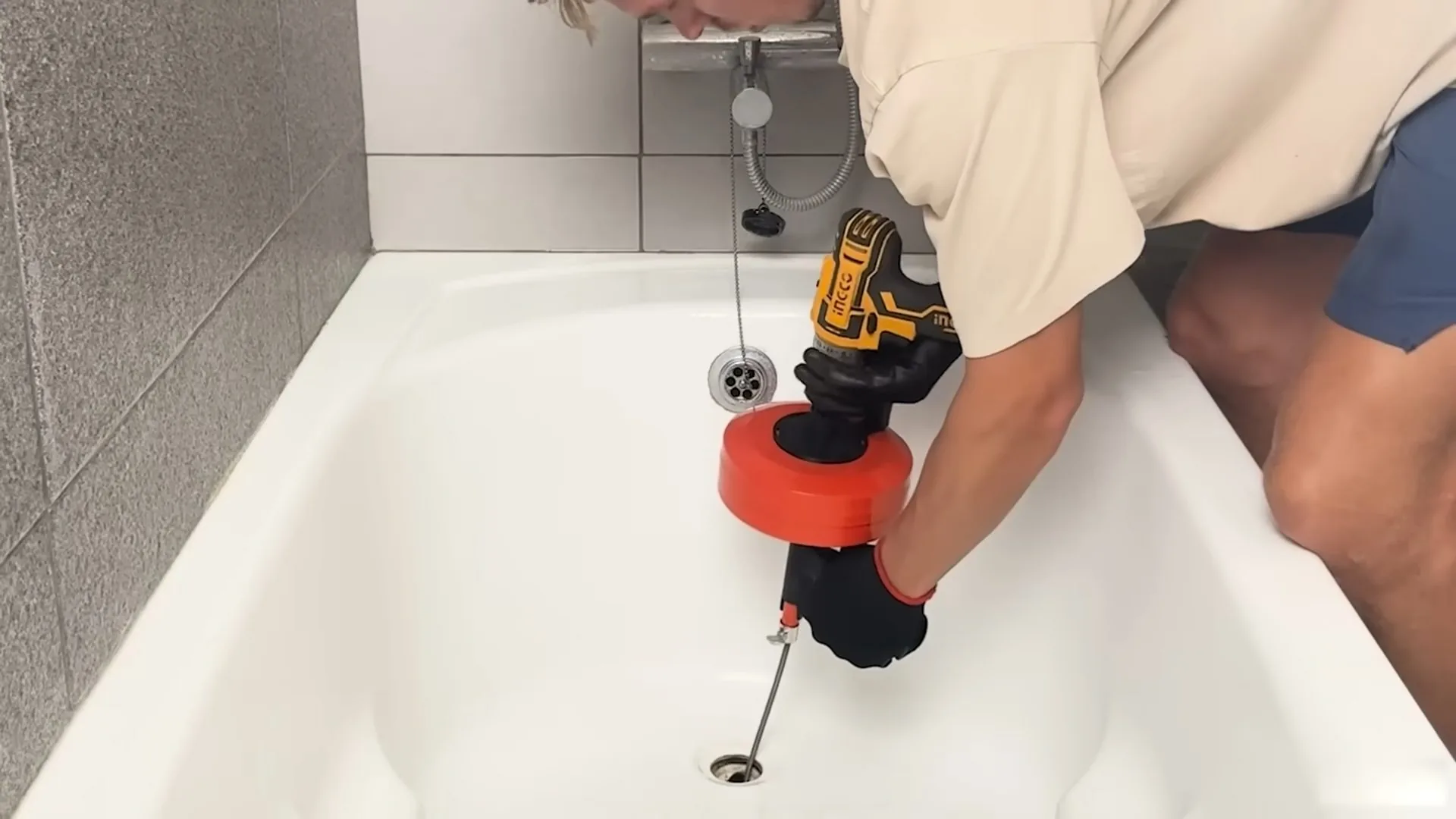
Where the slowdown shows up and what it points to
Where the slowdown shows up tells you most of what you need to know before any clogged drain repair. A single sink points to a short clog. A pattern across the house points to a line that every fixture shares.
| What you see | What it usually means | Where to look first |
|---|---|---|
| One sink, tub or shower drains slowly | A clog in that fixture’s trap or short branch line | Remove the stopper or strainer and clear the visible hair and film |
| Two or more fixtures on one floor drain slowly | A clog in the branch line they share | Note which fixtures gurgle when another one drains |
| The toilet gurgles when the washer drains, or the tub rises when you flush | A blockage lower in the house drain | Stop using water and call. Plunging will not reach it. |
| A basement or lowest-level floor drain bubbles or backs up | The main house drain, or the line beyond it | Stop using water and write down what came up and when |
| The kitchen sink is slow and the drain walls feel greasy | Grease built up in the kitchen branch | Hot tap water will not clear it. See the grease section below. |
Safe steps for one clogged fixture, and when to stop
For drain cleaning and unclogging at a single fixture, a few safe steps are worth ten minutes before you call. They also tell you whether the blockage is close or deep.
- Plunge with a cup plunger, keeping the overflow opening covered with a wet cloth
- Pull the stopper or strainer and clear hair and film by hand
- Rinse with hot tap water, not boiling water, which can damage fixtures and plastic pipe
- Run water in the fixture and watch whether it drains steadily or in surges
Stop if water rises somewhere else, if more than one fixture is affected, or if dark water or a sewage smell comes up. At that point the blockage is past what a plunger can reach.
Skip liquid drain openers. They can leave caustic water standing in the pipe, which is dangerous for the next person who opens the trap, and some can harm older pipe.
Several drains slow at once?
Call and describe which fixtures gurgle or back up. The pattern usually shows how deep the blockage is.
When a snake is not enough: ask for a camera look
A cable clears the clog in front of it. It cannot show why the clog formed. If the same drain has stopped up more than once in a few months, ask for a camera inspection of the line before paying for another cleaning.
The camera answers the question a snake cannot: is the pipe clean and intact, or is something wrong with the pipe itself? Grease, a sagging section, scale and a broken joint all look different on the screen, and each calls for a different fix.
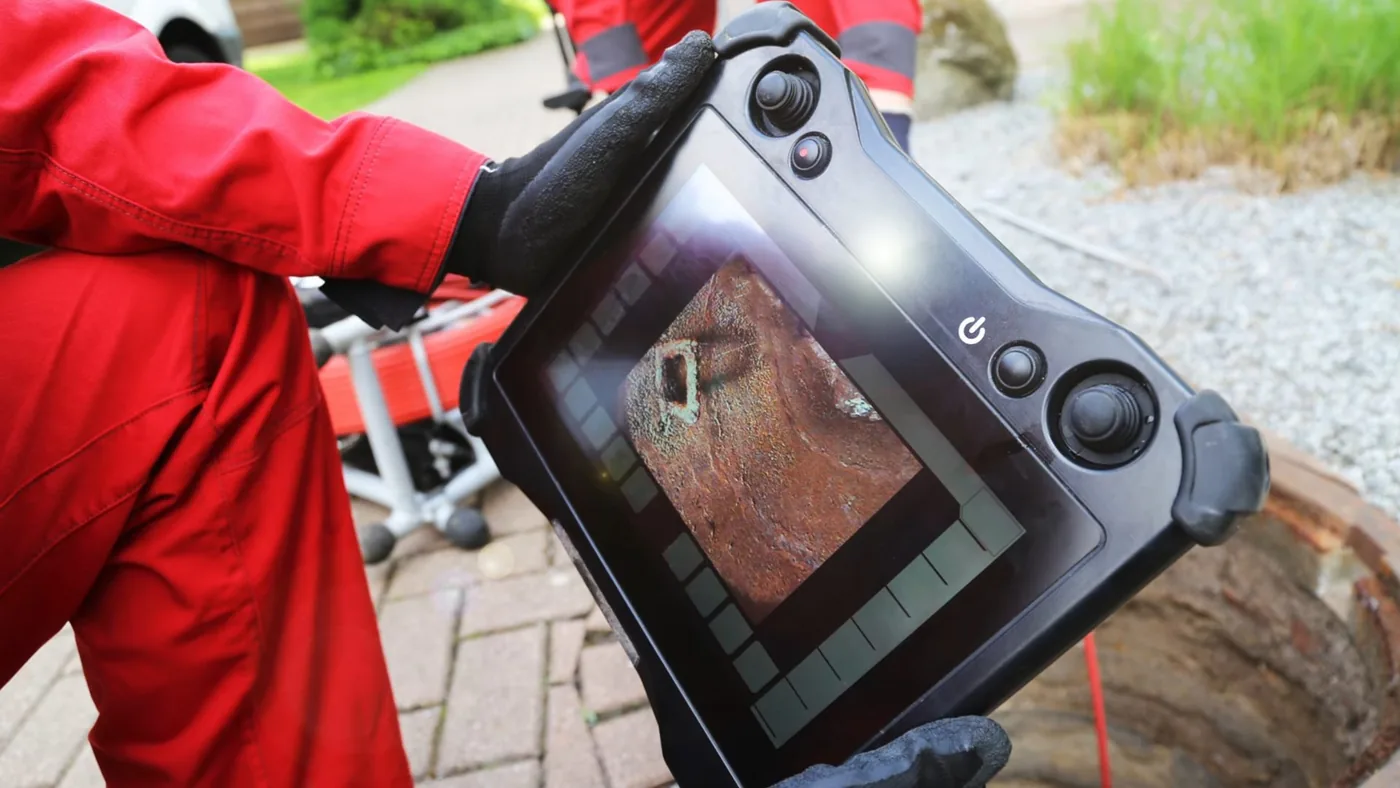
Same drain, third time: what to ask
- Where the blockage was, and how far down the line it sat
- What it was made of: grease, hair, roots, scale or something that should not be in the pipe
- Whether the pipe looked intact and sloped correctly on camera
- Whether cleaning on a schedule or repairing the line is the better path
- A quote for any repair, given before the work starts
Keep the footage or photos. They show the next plumber what was already found, and they back up a decision to repair rather than keep cleaning.
There is no cleaning schedule that fits every house. A drain that has never clogged does not need routine work. One that keeps clogging needs a cause found.
Floor drains, window wells and French drains
Not every drain carries wastewater. Floor drains, window-well drains and French drains move groundwater and melt, and they fail quietly until a storm or a thaw proves it.
Snowmelt puts these drains to work every spring
Cedar City gets about 48 inches of snow a year, and January nights average about 18°F. In a climate like that, spring melt is when window wells, floor drains and French drain outlets get tested.
Clear leaves and debris from exterior grates and window-well drains before the first big thaw. If water stays standing after the snow is gone, that drain needs attention.
Source: climate normals summarized on Wikipedia’s Cedar City page; secondary source.
A blocked storm inlet in the street is the city’s to clear, not yours or your plumber’s. A blocked drain on your own property, including a French drain, is a plumbing job.
Kitchen grease and the drains that carry it
Grease is the one clog that gets worse every time you wash a pan. It cools inside the pipe, coats the wall, and catches whatever follows. A snake punches a hole through it, and the film grows back.
The same is true on a larger scale for any kitchen that handles a lot of grease, including a food business run from a home or a shop. Ask what the grease line needs and whether a trap or interceptor is part of the answer. Each building and use has its own requirements, so ask the plumber what applies to yours.
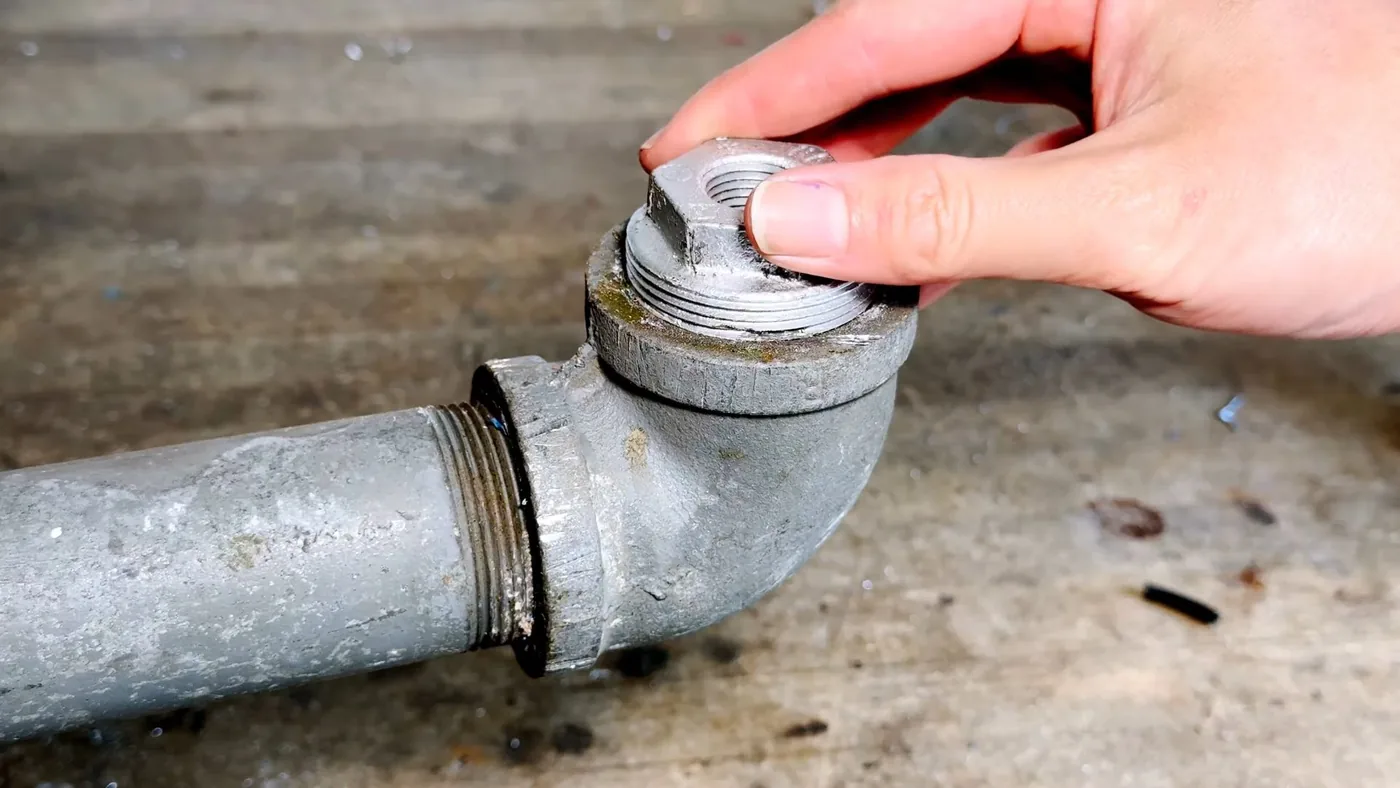
Is the blockage in your line or in the city’s main?
When several fixtures back up together, the blockage may sit in your own line or farther out, in the sewer main. Who is responsible depends on where it sits and on the city’s rules.
Ask the plumber to document the location with camera footage and a distance from the cleanout. That record settles the question fastest, and it is what you would show the city if the main is the problem.
If the camera shows damaged or root-filled pipe on your side, the job becomes sewer line replacement or repair. If the pipe is sound but coated with grease or roots, jetting for grease or roots is the method to ask about. Both questions come after the clog is found, not before.
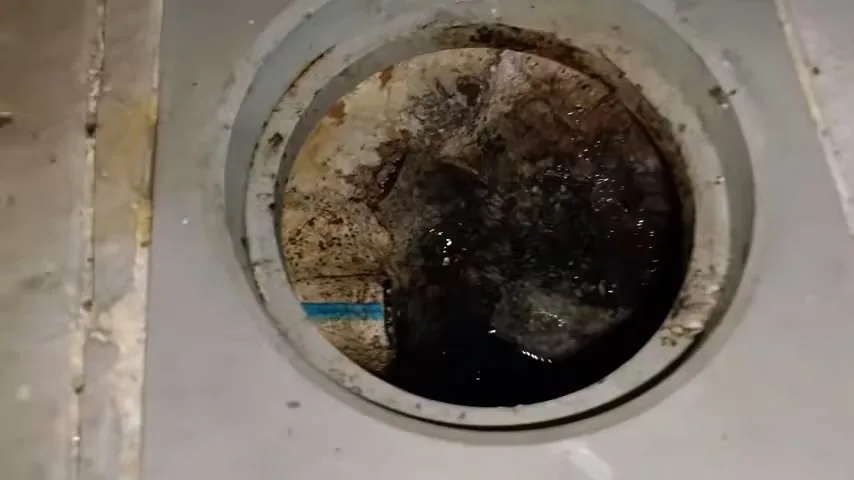
Backups that cannot wait, and slow drains that can
Stop and call
- Sewage coming up through a tub, shower or floor drain
- Water backing up into the lowest fixture when you run the washer
- Every drain in the house slow at the same time
- A gurgling toilet with a sewage smell
Can wait for an appointment
- One sink that is slow but still empties
- A tub that holds water a little longer than it used to
- A kitchen sink that slows over weeks
- A floor drain that smells when it has not been used
Sewage is a health hazard. Keep people and pets out of the affected area, stop running water and avoid touching it without gloves. A plumber can explain what to do before anyone arrives.
Why drains keep clogging, and what to do about it
Why does the same drain keep clogging, and is snaking enough?
A snake clears the clog in front of it but does not explain why it formed. A drain that clogs again within months usually has a cause the cable cannot show: grease coating the pipe, roots, scale, or a sag or break in the line. Ask for a camera inspection and a record of what it finds before paying for another cleaning.
How often should a drain be cleaned?
No schedule fits every home. A drain that has never clogged does not need routine cleaning. One that clogs again within months needs its cause found first. Grease, hair and roots call for different fixes, and a plumber should show you on camera which one you have.
Can I use a liquid drain opener first?
It is best to skip it. Liquid openers can leave caustic water standing in the pipe, which is dangerous for the next person to open the trap, and some products can harm older pipe. A plunger and a clean stopper are the safe first steps.
When is a clog a toilet problem and when is it a drain problem?
A single toilet that will not flush is usually a toilet clog. If several fixtures slow down or gurgle at the same time, the blockage is in the drain line, and that is a drain cleaning job. A toilet that gurgles when the washer drains is a sign of a line problem.
If the clog turns out to be something bigger
Drain slow, gurgling or backing up?
Call and describe which fixtures are affected. You will talk to a plumber, not fill in a form.