
Water damage · Cedar City, Utah
Water damage restoration & cleanup in Cedar City, UT: extraction, drying and what can be saved after a leak or backup
Water you can see is only part of the problem. What soaks into carpet pad, drywall and framing is what turns into mold and warped floors, and the first day or two decide how much of it can be saved.
Water in the house?
- STOP THE SOURCE
- Close the main valve or the fixture shutoff
- STAY SAFE
- Keep away from outlets and call 911 if anything sparks
- PHOTOGRAPH FIRST
- Take pictures before you move anything
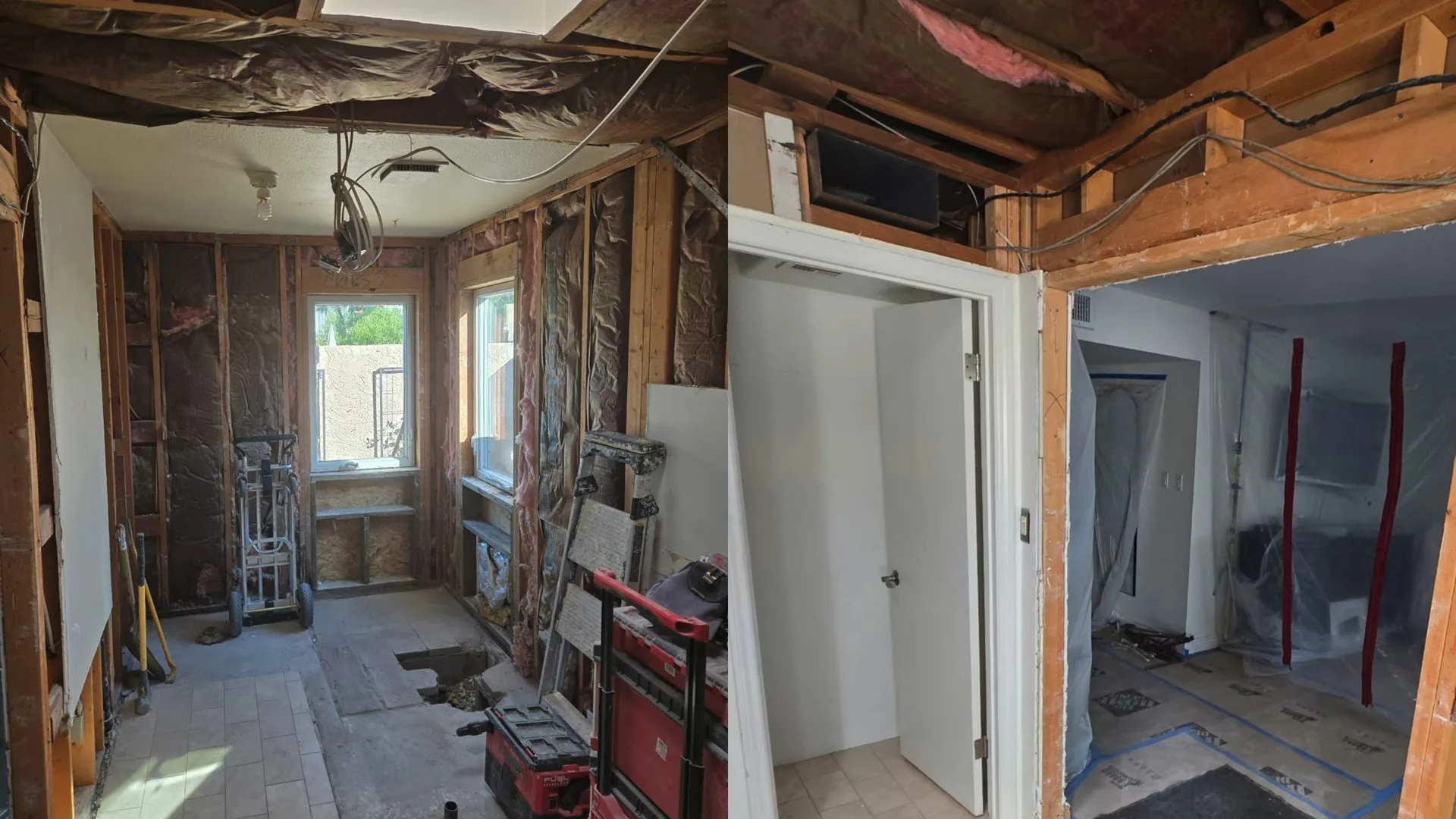
Stop the source before you dry anything
Drying a house that is still taking on water wastes the effort. The first job is to find where the water is coming from and shut it off.
- Close the main water valve, or the shutoff at the fixture if you can reach it dry.
- Keep away from standing water if it reaches outlets, appliances or the panel. Call 911 if anything sparks or smells burnt.
- Photograph the damage with the date visible before you move or discard anything.
- Remove standing clean water with a wet vacuum or mop and lift small rugs and belongings off wet floors.
- Call for help with anything beyond a small, clean spill.
If you do not know where the water came from, see finding the leak source. If a pipe failed, burst pipe repair has the shutoff and repair steps. The pipe has to be fixed before drying can finish.
Water damage in the house?
Call and describe where the water is and how long it has been there. You will talk to a person about the next step.
Water damage timeline: the first 24 to 48 hours
Why timing matters after water gets in
The EPA advises drying water-damaged areas and items within 24 to 48 hours to prevent mold growth.
Treat the first day as the window. Remove standing water, open up wet cabinets and wall bases where you safely can, and call early rather than waiting to see whether things dry on their own.
Source: EPA, A Brief Guide to Mold, Moisture and Your Home.
Clean water, gray water or sewage: why the source changes the job
Restorers sort water by where it came from, because the source decides what can be dried and what has to be removed. The same carpet that can be saved after a supply-line leak may have to go after a sewage backup.
| Where the water came from | Examples | What it means for the job |
|---|---|---|
| Clean water | A broken supply line, a leaking water heater, a failed fixture connection | Most materials can be dried if the water is removed quickly |
| Gray water | A washing machine or dishwasher overflow, a leaking tub | Dried or removed depending on how long it sat and what it touched |
| Sewage or floodwater | A backed-up sewer, a toilet overflow with waste, water from outside | Contaminated. Porous materials usually go, and cleanup should be done by someone experienced. |
The EPA recommends calling a professional experienced with this kind of damage when sewage or other contaminated water is involved. Avoid household fans and regular vacuums in a sewage cleanup, and keep children and pets away.
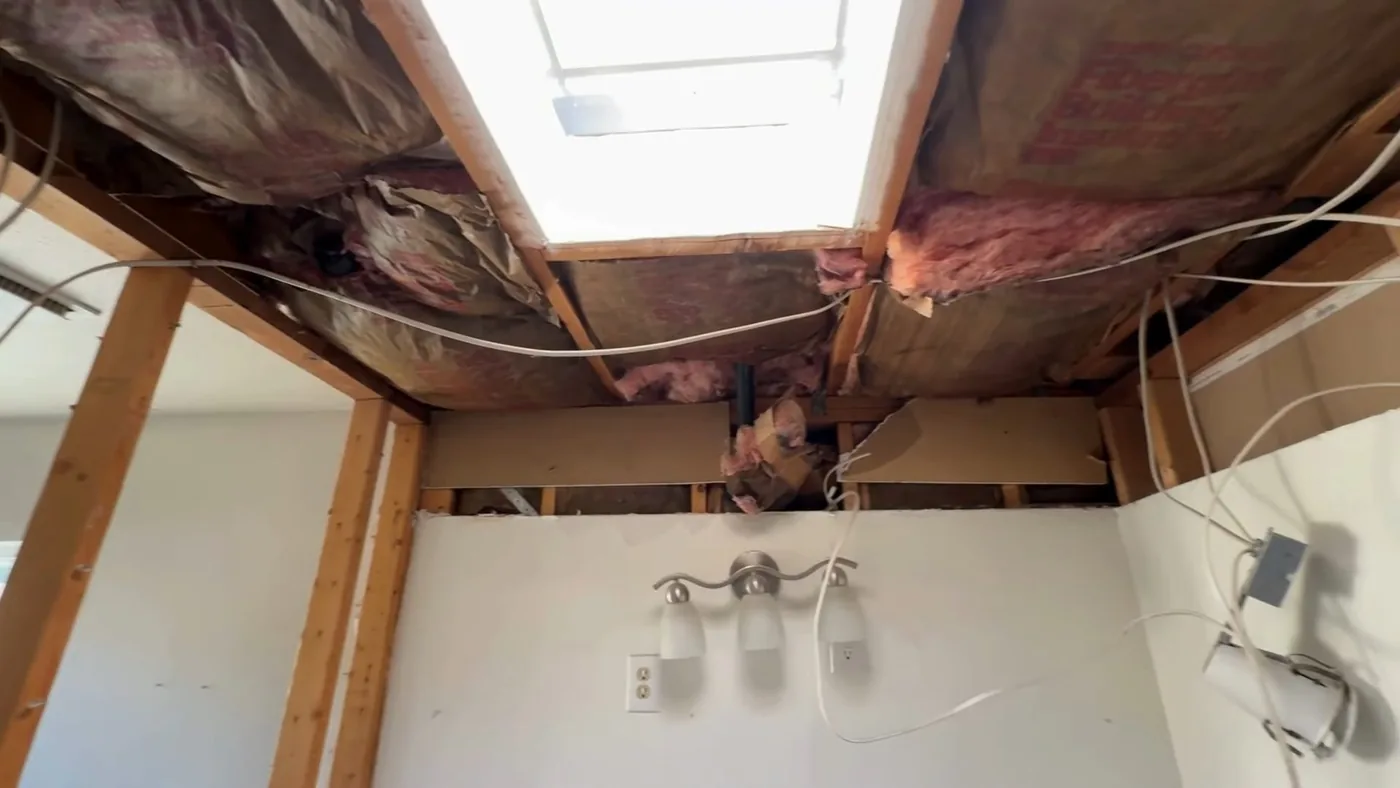
What can be dried and what has to go
There is no single answer, because it depends on how long the material was wet and what the water carried. The table shows what is usually dried in place and what is usually removed.
| Material | Often dried in place | Often removed |
|---|---|---|
| Carpet and pad | Carpet, after clean water and fast extraction | The pad, and any carpet after gray water or sewage |
| Hardwood and laminate | Solid wood, dried slowly if caught early | Laminate that has swelled, and boards that cup and do not recover |
| Drywall | Walls with limited, clean wetting, opened or dried through holes | Drywall that stayed wet, sags or crumbles, or was soaked with sewage |
| Insulation | Dry batts that were barely touched | Wet insulation in walls and ceilings |
| Ceilings | Painted ceilings that stained but did not sag | A ceiling that sags or bulges. Keep out from under it. |
| Hard surfaces | Tile, concrete and sealed surfaces, cleaned and dried | Rarely removed unless contaminated |
The EPA notes that hard surfaces can be scrubbed with detergent and water and then dried completely. It also notes that absorbent or porous materials, such as ceiling tiles and carpet, may have to be thrown away if they become moldy.
When mold shows up, and what that changes
Mold can start to grow when wet materials stay wet. If you see it, say so when you call, because removal of visible growth is its own step and the size of the area affects the plan.
For water damage or mold covering more than about 10 square feet, the EPA points readers to its mold remediation guidance for larger jobs. Drying the structure comes first, since mold removal does not last if the area stays damp.
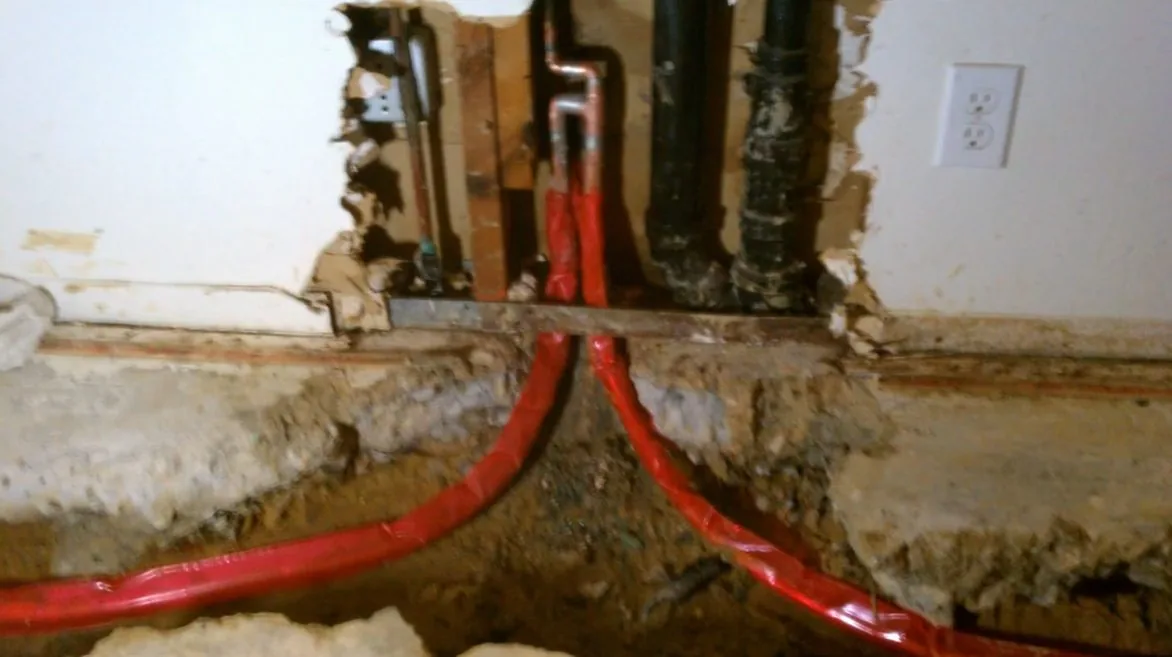
Winter bursts and spring melt: where Cedar City water damage comes from
Freeze, thaw and snowmelt
Cedar City gets about 48 inches of snow a year, and January nights average about 18°F. Pipes that freeze split when they thaw, and snowmelt can reach crawl spaces and low rooms.
After a hard freeze, check walls, ceilings and crawl spaces as the house warms. After a heavy melt, look for damp at the base of walls and window wells rather than waiting for a smell.
Source: climate normals summarized on Wikipedia’s Cedar City page; secondary source.
What to document for your insurer
- Photographs of every affected room before and after anything is removed.
- The date and time you found the water, and when you shut it off.
- A list of damaged belongings and materials, kept until the insurer says you can discard them.
- A written note from the plumber about what failed and what was repaired.
- Notes on who you spoke to at the insurer, with dates.
Coverage varies by policy, and nobody on a call can promise what will be paid. Call your insurer early and ask what they want saved before you throw anything out.
Questions to ask before drying starts
- What moisture readings were taken, and where
- Which materials will be removed and why, before anything is torn out
- How you will know the structure is dry, and what the final readings will be
- How a sewage or gray-water job is handled differently
- A written quote for the work before it starts
What restoration covers, and what it does not
Restoration means removing the water, drying the structure and cleaning what can be saved. It does not mean rebuilding. Replacing drywall, flooring, cabinets and trim is work for a contractor once the structure is dry, and a pipe repair belongs to a plumber.
How urgent is the water damage?
Damage that needs a call right away
- Standing water in living areas
- Sewage or contaminated water of any kind
- A sagging or bulging ceiling
- Water near electrical outlets or the panel
Plan the work
- A damp spot that has dried and is not growing
- A small, clean spill on a hard floor
- Staining on a ceiling that has stopped changing
- Planning the rebuild after the structure is dry
Water damage questions after a leak or backup
What does water damage restoration cover after a leak?
Restoration covers removing standing water, drying the structure and contents, cleaning what can be saved and removing what cannot. It does not cover the plumbing repair or the rebuild afterward, such as new drywall or flooring. Those are separate jobs for a plumber and a contractor.
How long do I have before mold starts to grow?
The EPA advises drying water-damaged areas and items within 24 to 48 hours to prevent mold growth. That is why it matters to start removing water and drying quickly, and to call early if the area is larger than you can handle.
Can I dry wet carpet myself?
For a small spill of clean water, yes, if you remove the water fast and dry it fully. The pad underneath is the problem, since it holds moisture. After a larger leak, or any gray or sewage water, drying carpet yourself is unlikely to work, and the carpet may need to be removed.
Should I call my insurer before or after I call someone to dry the house?
Call the insurer early, and ask what they want saved and photographed. Do not wait on the claim to stop the water or begin drying, since delays can make the damage worse. Keep photos, dates and the plumber’s note of what failed.
Plumbing repairs that fix the source of the water
Water in the house and not sure what to do?
Call and describe what happened. You will talk to a person, not fill in a form.