
Water heater repair · Cedar City, Utah
Water heater repair in Cedar City, UT: a leaking tank, no hot water, or a heater slowed down by very hard water
Most water heater calls start with one of three things: water on the floor, no hot water, or hot water that runs out too fast. Each has a short list of causes, and the first one to rule out decides whether this is a repair or a replacement.
Heater leaking or cold?
- WATER ON THE FLOOR
- Shut the cold water valve above the heater
- GAS SMELL
- Leave the building, then call the gas utility or 911
- NO HOT WATER
- Check the breaker or pilot, then call
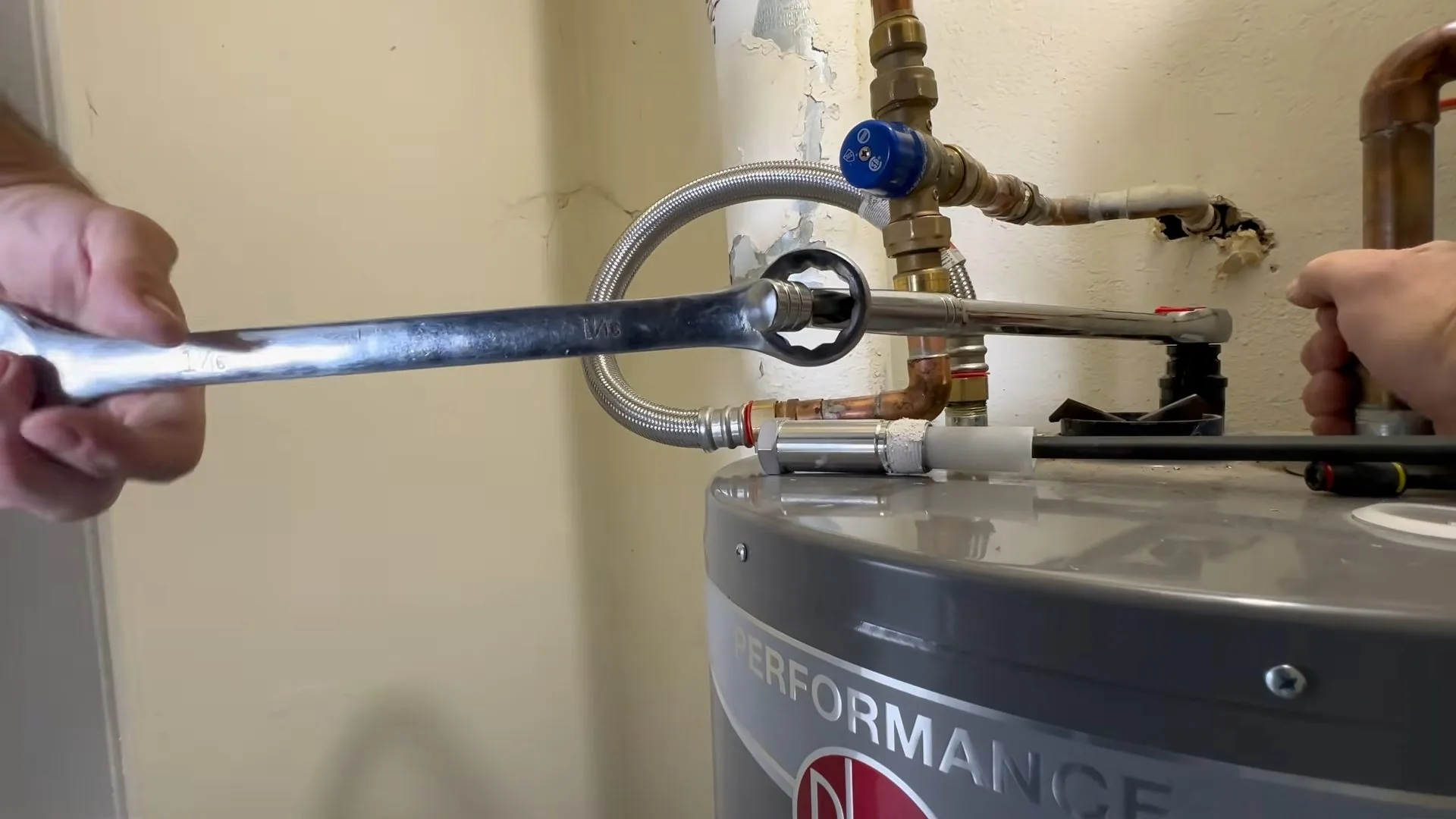
Start with the symptom: what is the heater doing?
The symptom narrows the cause faster than the age of the heater does. Use the table to see what each sign usually means on a gas heater and on an electric one.
| What you notice | Gas heater | Electric heater |
|---|---|---|
| No hot water at all | Pilot out, a failed thermocouple or a faulty gas control | Tripped breaker, a failed heating element or a bad thermostat |
| Hot water runs out quickly | Sediment in the tank, a failing dip tube or a weak burner | One failed element, usually the lower one, or heavy sediment |
| Popping or rumbling from the tank | Sediment hardened on the bottom of the tank | Scale on the elements and the tank floor |
| Water too hot, or temperature swings | A worn gas control or thermostat setting | A faulty thermostat |
| Rotten egg smell from hot water only | A reaction inside the tank that can be adjusted or treated | The same reaction inside the tank |
| Water pooling around the base | See the leak section below | See the leak section below |
A smell like gas near a gas heater is a different matter from a rotten egg smell in the hot water. If you smell gas, leave the building and call the gas utility or 911 from outside.
My water heater is leaking: tank or fitting?
This is the question that decides everything else. Water heater leak repair is usually possible at a fitting or valve. A leak from the tank itself usually is not repairable.
Water at the top: connections and valves
Look at the cold inlet, the hot outlet and the temperature and pressure relief valve. A weeping connection can often be tightened or replaced. A relief valve that discharges is telling you something about pressure or temperature, so do not cap it. Call and describe what you see.
Water at the bottom or from the tank body
A drain valve that drips can be replaced. Water running from the base of the tank, or from seams in the jacket, usually means the tank has corroded through. That is the end of the tank, and the next step is replacing the tank.
Safe steps while you wait
- Shut off the cold water supply valve on the pipe above the heater.
- For an electric heater, switch off its breaker. For a gas heater, turn the control to off only if you can reach it safely and smell no gas.
- Place a bucket under any steady drip and keep water away from outlets and the panel.
- Take a photo of the leak and the label on the heater. The label shows the model and the age.
Water coming from the heater right now?
Call and describe where it is leaking. The plumber can tell you what to shut off and whether this is a repair.
No hot water or not enough: checks you can do safely
On an electric heater
Check the breaker. If it has tripped, reset it once. If it trips again, stop and call, because a repeated trip means a fault that should not be forced.
On a gas heater
Look at whether the pilot is lit, if your model has a viewing window. Relighting instructions are printed on the label. If the pilot will not stay lit, stop there. A pilot that keeps going out points to a part that needs replacing, not another attempt.
What these checks cannot tell you
They rule out the simple causes. They do not show whether the heating element is burned out, whether the thermostat is faulty or how much sediment has built up. A plumber tests those, and should tell you the result before suggesting a part.
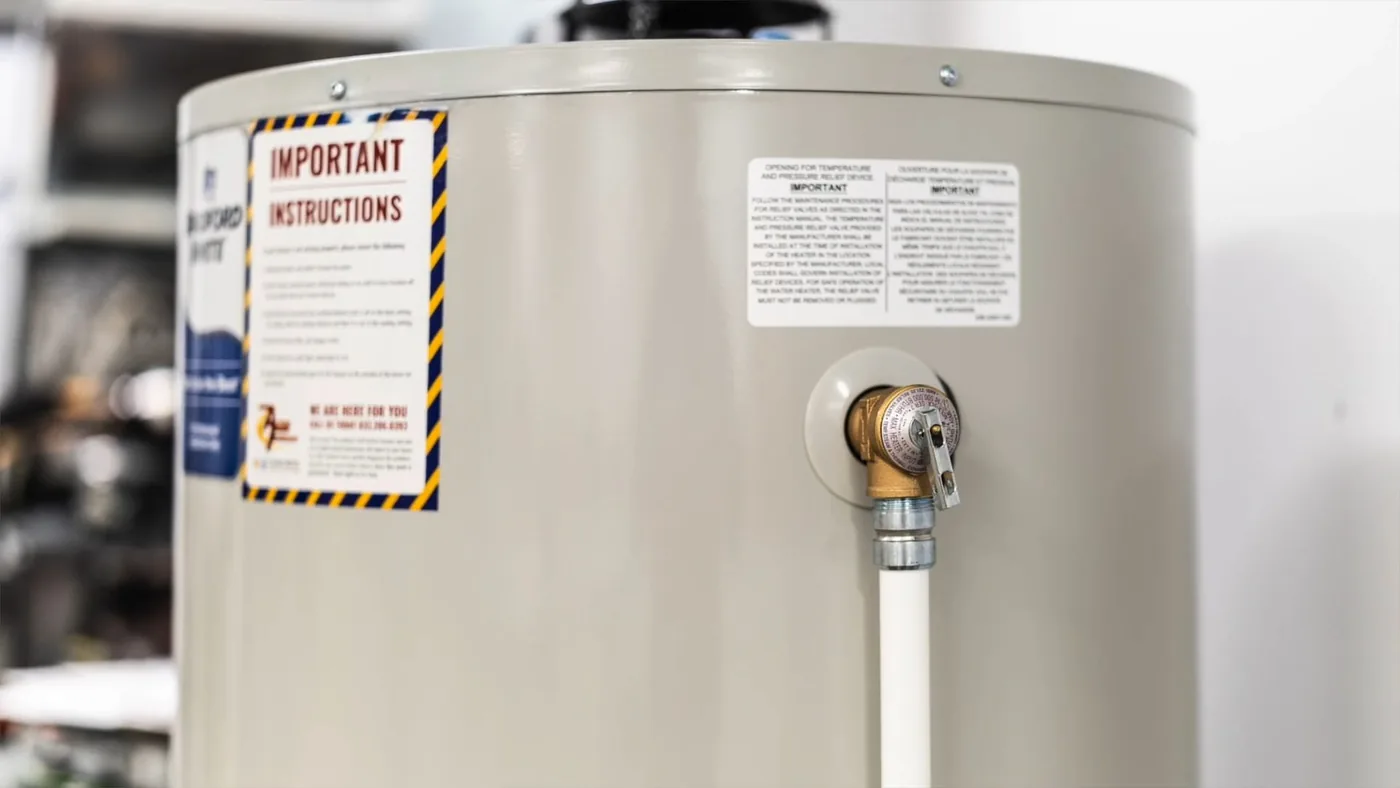
Very hard water and your heater
What the water in Iron County does inside a tank
A USGS estimate based on 873 Iron County samples puts hardness at about 13 grains per gallon, which is classed as very hard. That is a county estimate, not a measurement of your tap.
Scale settles as sediment in the tank and bakes onto elements, which cuts hot water, makes the tank noisy and wears parts faster. Ask the plumber whether flushing your tank makes sense, and have your own tap water tested before deciding on treatment.
Source: USGS county-level estimate as published on tapwaterdata.com; secondary source.
If your tap tests very hard, a water softener is the usual way to slow scale at the source. It is a separate decision from the repair, so make the repair first and the treatment question second.
Cedar City’s own water plan says the city draws all its water from wells and springs and that the aquifer is being drawn down. It also notes a lower-quality aquifer that may have begun to mix with the good one. Ask the city for its current water quality results before you size any equipment.
Garages, crawl spaces and January lows
Cedar City’s January nights average about 18°F. A heater in an attached garage or a vented crawl space sees cold air around the tank and the pipes, and cold water arriving at the inlet. The heater has to work harder to deliver the same hot water.
Exposed pipes at the top of the heater are the first to freeze. Foam insulation on those pipes helps, but keep it clear of the flue and the burner area. If your heater lives in an unheated space, ask the plumber what clearance and insulation the model allows.
Repair or replace: five questions to put to the plumber
- Where is the leak coming from? A leak from the tank body usually means replacement.
- How old is the heater? The date code on the label tells you, and age plus condition decides the rest.
- How much sediment is in the tank, and would flushing help or stir up trouble in an old tank?
- What does the repair cost against replacement, with both quoted before any work starts?
- Would a different size or type fit your household better? Ask about tankless options or a heat pump model if you are replacing anyway.
A fair repair answer names the failed part, shows why it failed and says what else is likely to go soon. A fair replacement answer explains why repair will not hold.
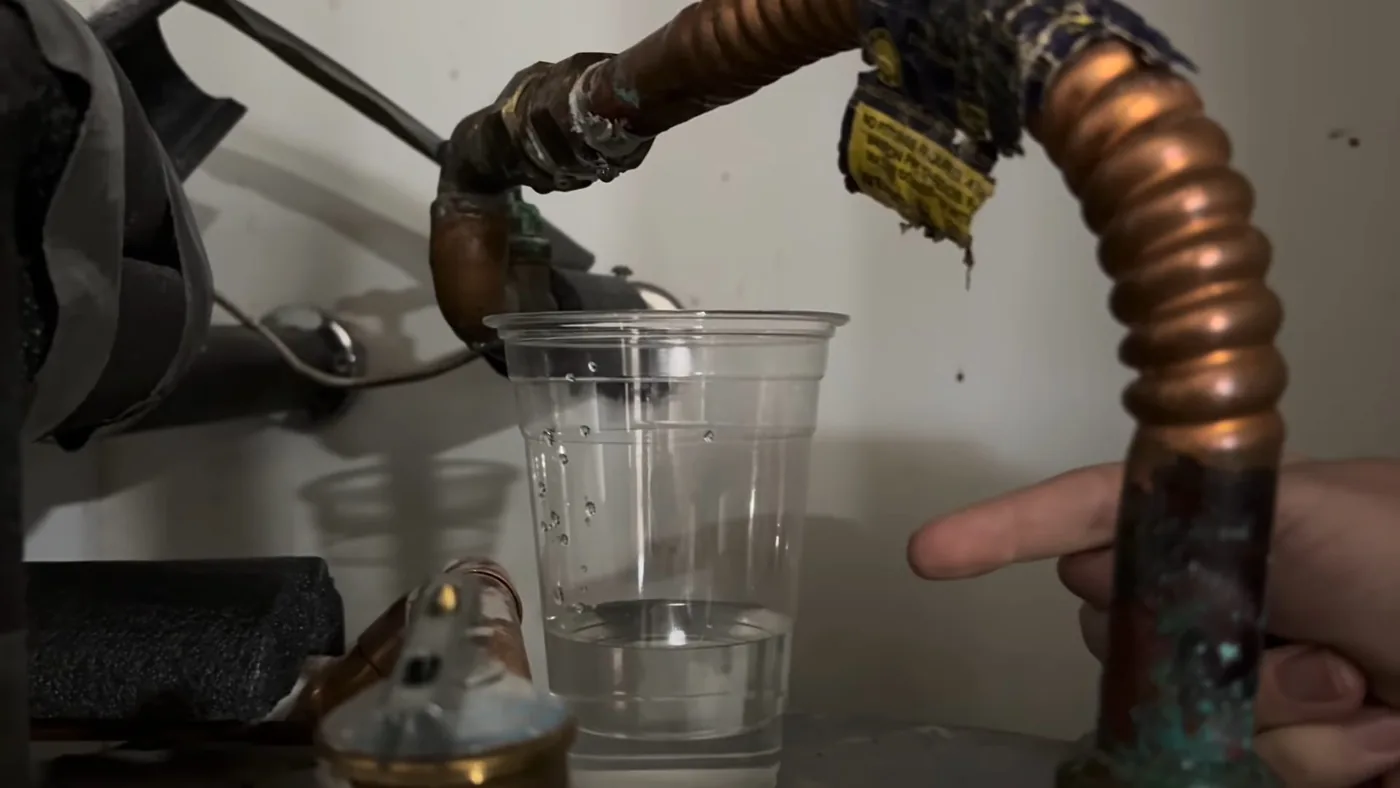
Which heater problems cannot wait
Call right away
- Water running from the tank body or base
- A smell of gas near a gas heater (leave first)
- A relief valve discharging steadily
- Scalding water at the taps
Can be scheduled
- Hot water that is not as hot as it was
- Popping or rumbling from the tank
- A slow drip at a connection you have shut off
- A pilot that went out once and relit normally
Leaks, sounds and lukewarm showers: your questions
My water heater is leaking. Is it the tank or a fitting, and can it be repaired?
Check where the water starts. A leak at the inlet, outlet, relief valve or drain valve is usually a repair. Water coming from the tank body or the base usually means the tank has corroded through, and the answer is replacement. Shut off the cold water valve above the heater and call with what you see.
Why does my water heater make popping or rumbling sounds?
Those sounds usually come from sediment on the bottom of the tank. Water trapped under the scale boils and pops. Hardness in Iron County water makes this common. Ask the plumber whether flushing is worthwhile for your tank, because an old tank with heavy scale does not always flush cleanly.
My water is not hot enough. What should I check before I call?
On an electric heater, check the breaker and reset it once. On a gas heater, check that the pilot is lit if your model has a viewing window. If either fails again, or the checks do not help, stop and call. Do not force a trip or keep relighting a pilot that will not stay lit.
Should I flush my water heater?
Flushing removes sediment, and very hard water makes sediment likely. It is worth asking about, but an older tank with heavy buildup can leak at the drain valve after being disturbed. Ask the plumber to look at the age and condition of your tank before deciding.
After the heater is diagnosed
Heater leaking, cold or running out?
Call and describe what the heater is doing. You will talk to a plumber, not fill in a form.