
Hydro jetting · Cedar City, Utah
Hydro jetting in Cedar City, UT: when high-pressure water beats a snake, and when a camera should come first
If a drain keeps clogging a few weeks after it was snaked, the cable may be punching a hole through the blockage while the buildup on the pipe walls stays. Jetting scours those walls. It is the right tool for some lines and the wrong one for others.
Same drain, clogged again?
- TELL THE PLUMBER
- How often it clogs and what you have poured down
- ASK FOR
- A camera look before and after the work
- MAIN LINE BACKING UP
- Stop using water and call
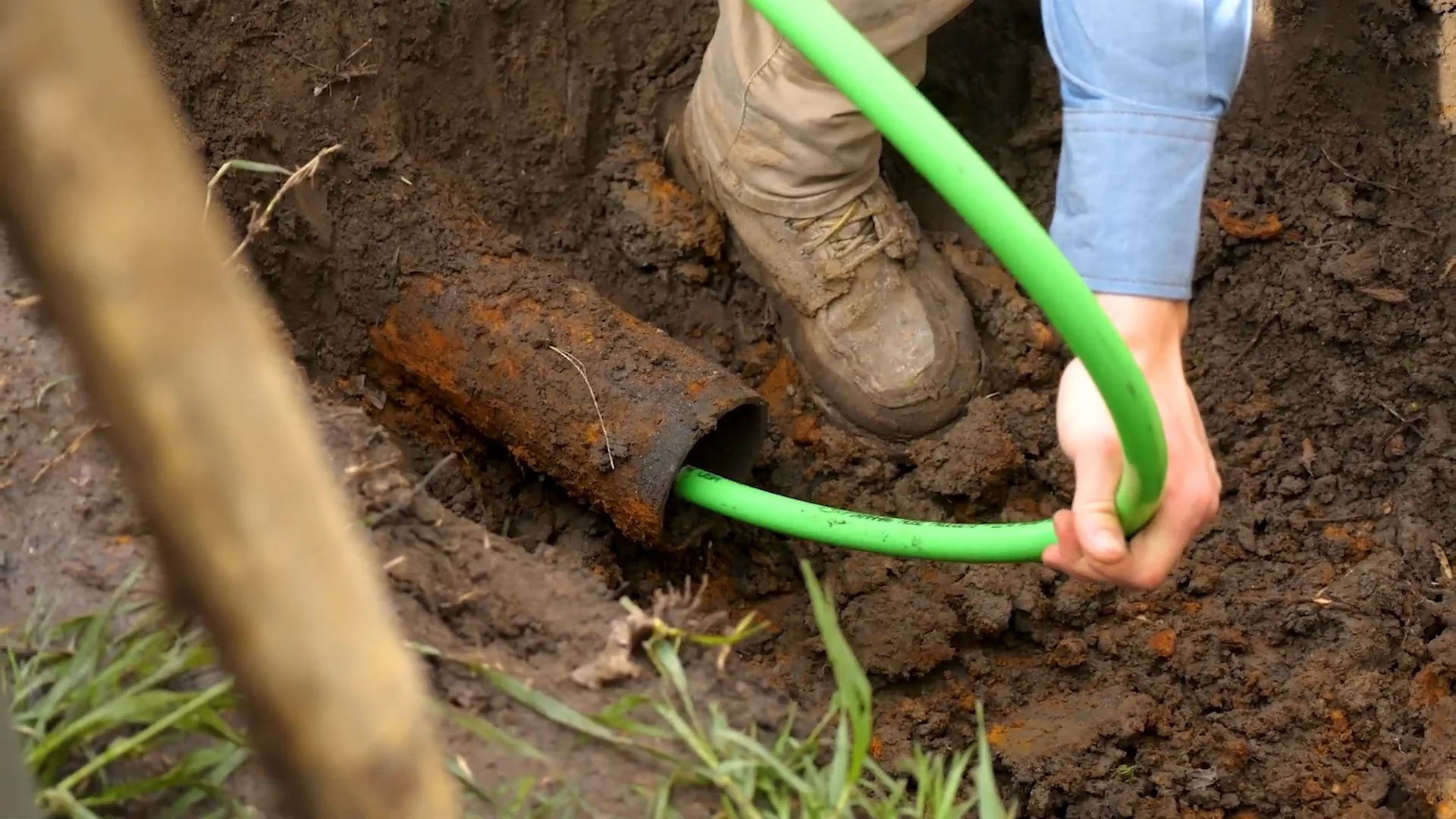
What hydro jetting does, and how it differs from snaking
A jetting machine pushes water through a hose at high pressure. A nozzle with rear-facing jets pulls itself down the pipe while the water scours the walls and flushes the debris out ahead of it. A cable only breaks up what it touches.
| Method | What it does | Best for |
|---|---|---|
| Cable or snake | Bores through or hooks a clog | A single blockage in a line that is otherwise clean |
| Hydro jetting | Scours the pipe wall and washes debris out | Grease, soap and silt buildup, and lines that clog again and again |
| Camera inspection | Shows the inside of the pipe | Finding out which of the two is needed, and whether the pipe is sound |
For clogs at a single sink or tub, start with clearing a single drain. Jetting is for the line that keeps coming back, usually the main or a long branch.
Signs the line needs scouring, not another snake
- A drain that clogs again within weeks of being cleared
- Slow drains at more than one fixture on the same line
- Gurgling in a drain when another fixture runs
- A kitchen line that smells of grease or a history of grease going down the drain
- A camera look that shows coating on the walls, not just a single blockage
If only one fixture is slow, the problem is usually in that fixture’s branch. If several are slow, the shared line is the likelier suspect.
When jetting is the wrong tool
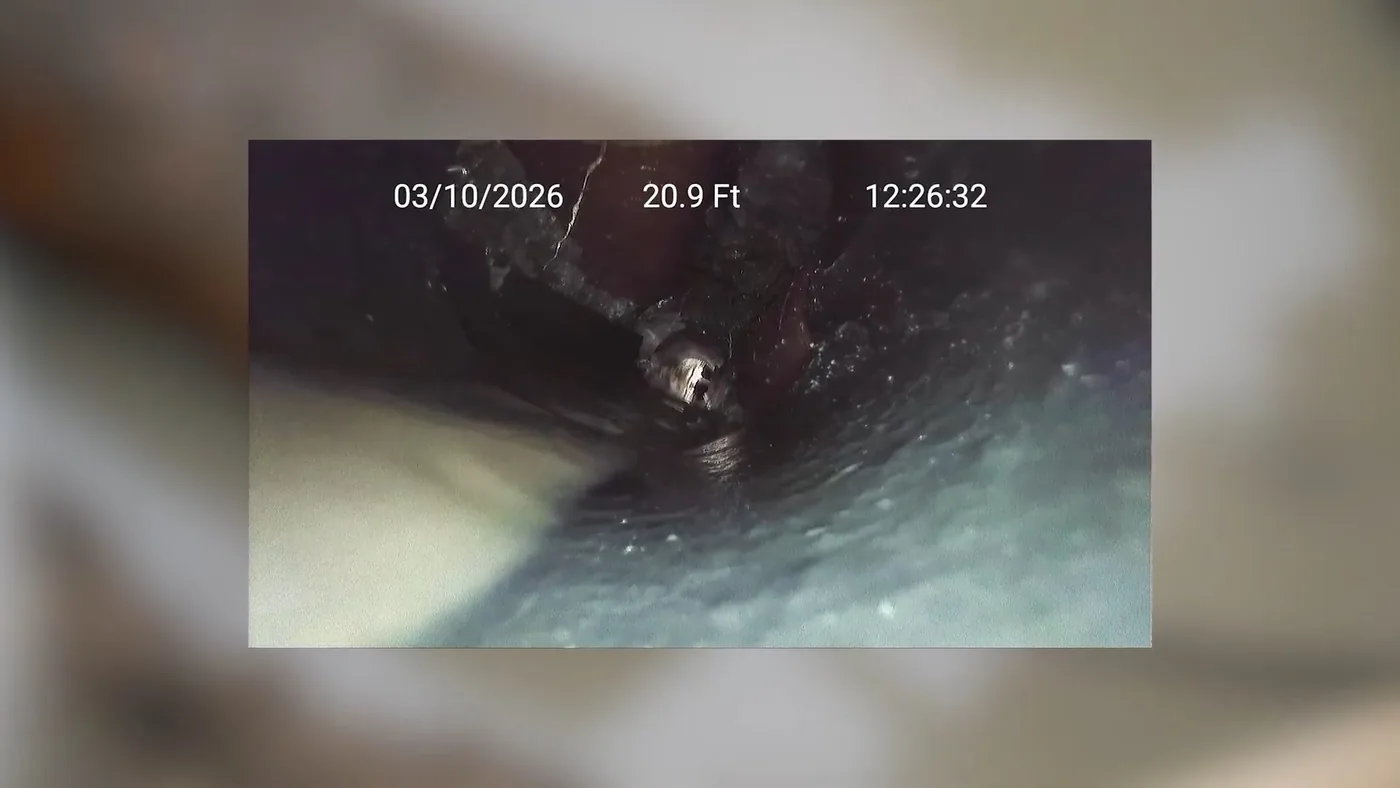
High-pressure water assumes the pipe is sound. A line that is cracked, offset, collapsed or sagging in a low spot will not be fixed by jetting, and in a weak line the pressure can make a problem worse. That is why the order of work matters.
| What the camera shows | What it means | Where to go next |
|---|---|---|
| Coating on the walls with a round, sound pipe | Buildup is the cause | Jetting is a good fit |
| Tree roots entering at joints | Roots are the cause | A root-cutting jet can clear them, but they usually return. See repairing a root-damaged line. |
| A crack, a gap or a pipe that has shifted | The pipe is damaged | Repair or replace. Jetting will not fix it. |
| A dip where water stands | The pipe has sagged | Jetting clears it for a while, but the dip will collect debris again |
The right order: camera, jet, camera again
- The plumber runs a camera to see the pipe and the buildup.
- You agree on whether jetting is safe for the pipe, based on what the camera showed.
- The line is jetted from a cleanout or an open fixture access.
- The camera goes in again to confirm the walls are clear.
- You get the video or photos and a note on the pipe’s condition.
Ask for the second camera pass. It is the evidence that the work did what it was supposed to do.
Same line clogging every month or two?
Call and describe which fixtures are slow and how often it comes back. A plumber can say whether jetting makes sense.
Getting ready: cleanouts, access and water
Jetting needs a way into the line, usually a cleanout outside the house or in the basement or garage. If you do not know where yours is, say so on the call. A plumber can look for it.
- Clear the area around the cleanout so the hose can be set up
- Tell the plumber what you have poured into the drain, including any chemical cleaners
- Note which fixtures are affected and when the trouble began
- Make sure the plumber knows whether the line serves a basement bathroom or floor drain
- Ask where the water from the work will go
Scale, minerals and what jetting can reach
Hard water in the pipes
A USGS estimate based on Iron County samples puts hardness at about 13 grains per gallon, which is very hard. That is a county estimate, not a reading from your tap.
Mineral scale can narrow some older drain lines and is part of why a camera look is worth the time. Ask the plumber to show you what is on the walls and whether jetting can remove it from your pipe material. Do not assume it can.
Source: USGS county-level estimate as published on tapwaterdata.com; secondary source.
How often does a line need jetting?
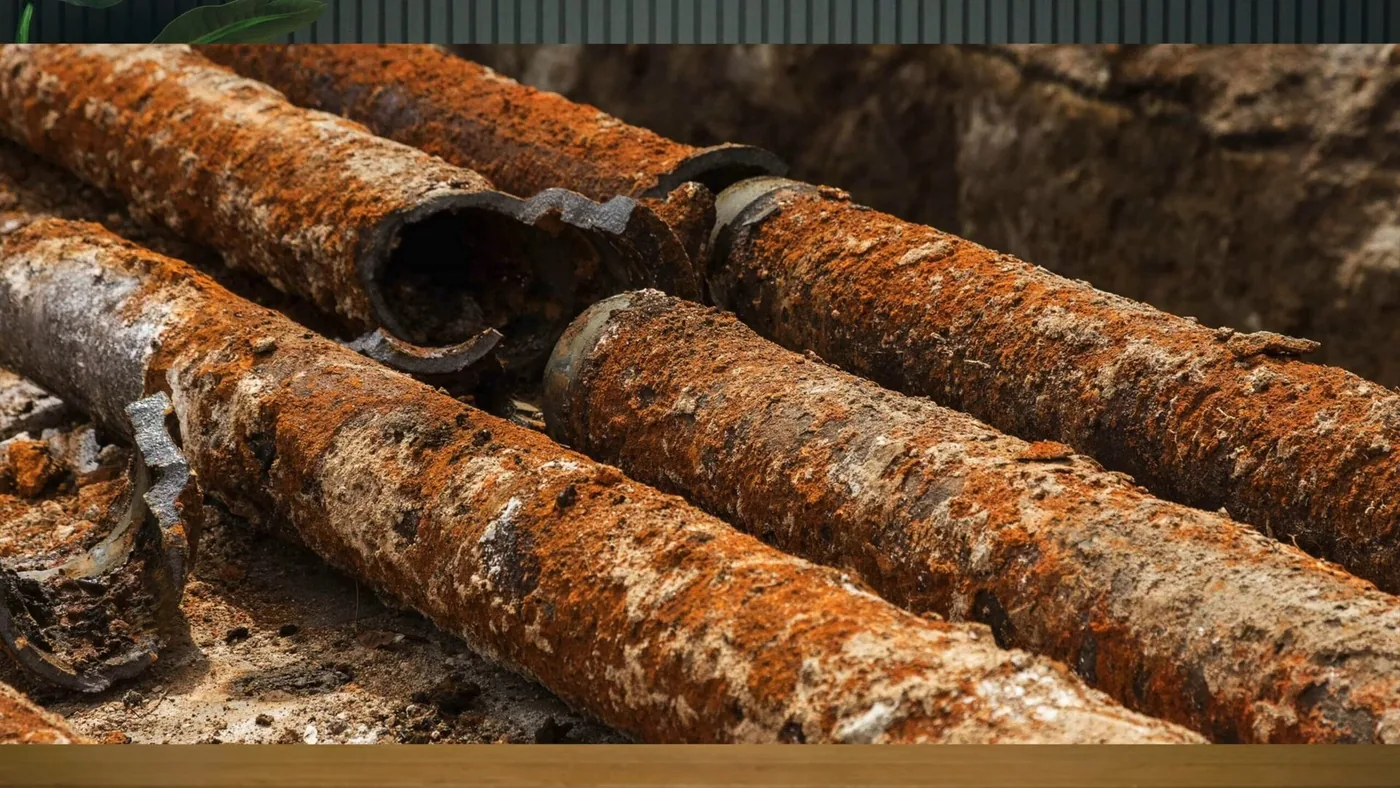
No fixed interval fits every line. A kitchen drain that carries grease may need attention more often than a bathroom line. A line that was jetted once and stays clear may not need it again for years.
Ask the plumber to base the interval on what the camera showed, and to write it in the report. If the line clogs again soon after jetting, that points to a damaged pipe or a different cause. It may call for a no-dig repair option.
Kitchens, shops and food prep lines
Grease is the leading reason to jet a kitchen line. If you run a food business from a shop or a home kitchen, ask the city whether grease trap or interceptor rules apply. Those rules were not available to check for this page, so do not assume they do or do not.
Jetting questions that need a call today
Backups that need a call today
- Sewage backing up from a floor drain or tub
- Every drain in the house slow at once
- Water standing in a basement shower or toilet
- Gurgling that comes with a rotten egg smell inside the house
Jetting you can book ahead
- A kitchen drain that is slow but still draining
- A line that clogged twice this year
- Preventive jetting for a food business
- A camera look before buying a house
What to know about jetting before you book
How often should drains be cleaned or hydro jetted?
There is no fixed interval that suits every line. Grease and heavy use shorten the interval, and a clean sound pipe lengthens it. Ask the plumber to base the schedule on what the camera shows and to put it in writing.
Is hydro jetting better than snaking a drain?
It depends on the cause. A cable is fine for a single blockage. Jetting scours buildup from the pipe wall, so it suits lines that clog again and again. A camera look shows which one you need.
Can hydro jetting damage my pipes?
On a sound pipe it is safe when done correctly. A cracked, offset or very old fragile pipe can be damaged by high pressure, which is why a camera inspection should come first.
Will jetting get rid of tree roots for good?
Not usually. A root-cutting jet can clear roots from the line, but if they entered through a joint or crack they tend to grow back. The longer fix is a repair or a liner, which your plumber can explain after a camera look.
Drain and sewer pages that go with jetting
Line keeps clogging and snaking does not hold?
Call and describe which fixtures are slow and how often. You will talk to a plumber, not fill in a form.