
Sewer line repair · Cedar City, Utah
Sewer backup and sewer line repair in Cedar City, UT: first steps, what a camera shows and how the fix is chosen
A sewer backup is stressful, and it is also the kind of call where people are least sure what to do next. Know what to stop, what to document and what a camera inspection can answer, and the decision about repair gets much clearer.
Sewage backing up?
- STOP
- Stop running water, flushing and using the washer
- PROTECT
- Keep people and pets out of the wet area
- DOCUMENT
- Take photos and note which drains are affected
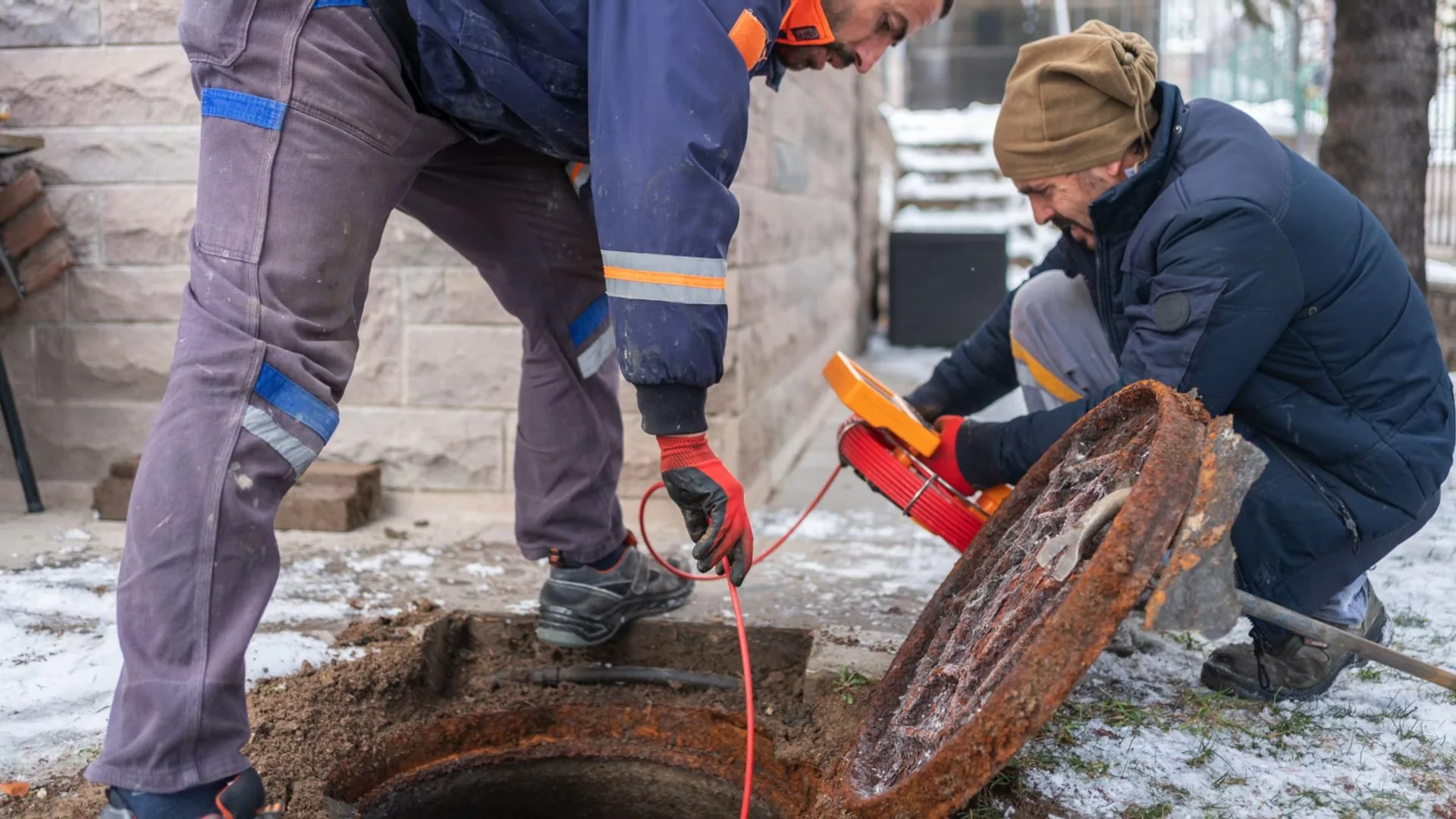
Sewage is coming up: the first steps
- Stop using water. No flushing, showers, dishwasher or washer.
- Keep children, pets and anyone vulnerable out of the wet area.
- Do not pour chemical drain cleaners into a backed-up line. They can burn skin and make the plumber’s job harder.
- Turn off the breaker for any outlet or appliance standing in water, but only if you can reach it without stepping in the water.
- Take photos and call a plumber.
Sewage-contaminated water is not the same as clean water. The cleanup is covered on the restoration after a backup page, and it is worth reading before you start mopping.
What to document before the plumber arrives
- Which drains are affected: one fixture, a whole bathroom or every drain in the house
- Where the backup shows first, such as a floor drain, a tub or a basement toilet
- When it started, and whether it followed heavy water use like laundry
- Any gurgling, slow drains or odors in the days before
- Photos or video of the water level and what is in it
- Whether this has happened before, and what was done then
- Tree roots, new landscaping or digging near the line
That list takes five minutes and saves the plumber guesswork. It also supports any insurance claim you make.
Main line or branch drain: which one is blocked?
The lowest drain in the house backs up first when the main line is blocked. If only one fixture is slow or backed up, the problem is probably in that fixture’s own branch.
| What you see | Likely location | Next step |
|---|---|---|
| One sink or tub slow, everything else normal | That fixture’s branch drain | See branch drain cleaning |
| Basement shower or floor drain backs up when you run the washer | The main line | Camera look at the main |
| Several fixtures slow at once, with gurgling | The main line or a shared branch | Camera look at the main |
| Sewage in the yard or a wet patch over the line | A break or collapse between the house and the main | Call right away, and stop using water |
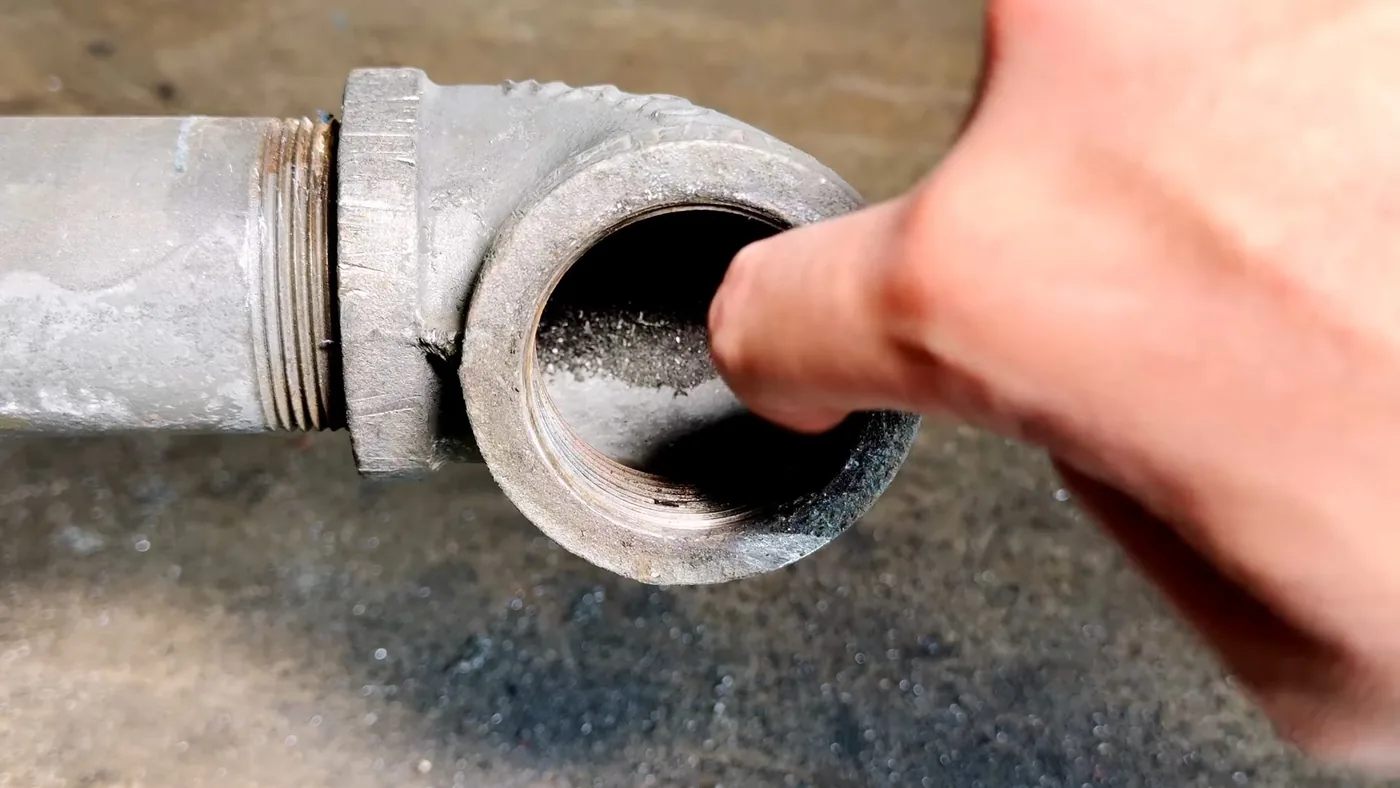
What a sewer camera can show, and what to ask it to record
| Problem | What it looks like on camera | Usual direction |
|---|---|---|
| Tree roots | Fine roots entering at joints, or a thick mass in the pipe | Cut the roots, then decide whether to repair or line the joint |
| A crack or break | A visible gap, soil showing through the pipe | Spot repair or replacement |
| A bellied or sagging section | Water pooled in a low spot in the pipe | Replace that section or reroute |
| An offset joint | Two pipe sections that do not line up | Repair at the joint |
| Buildup | Coating on the walls of a round pipe | Jetting. See how jetting works. |
Ask the plumber to record the camera pass, to measure the distance from the cleanout to each problem and to give you the video. That footage is the basis for every quote.
Camera look first, then decide?
Call and tell the plumber which drains back up. Ask for a recorded camera inspection before any repair is quoted.
Spot repair, replacement or lining: how the decision is made
| Option | Fits when | Trade-offs |
|---|---|---|
| Spot repair | One short damaged section and the rest of the pipe is sound | Digging at that spot, and other weak spots may remain |
| Full replacement | The pipe is failing along much of its length | More excavation and cost, with a new pipe at the end |
| Lining or pipe bursting without a trench | The pipe is damaged but still has a continuous path | Needs a clear pipe and the right access. See trenchless lining. |
Ask the plumber to explain why they favor one option and what would change their mind. A fair answer references the camera video.
Who is responsible for the line, and who must approve the work
Responsibility for the line between your house and the city main, and the rules for opening a street or right of way, are set locally. They were not available to check for this page, so do not assume the answer.
- Ask the plumber who owns the part of the line where the problem sits.
- Ask the Cedar City Public Works Department or Building Department which part is yours and which is the city’s.
- Ask whether a permit or inspection applies and who files it.
- Check your homeowner’s policy for sewer backup coverage before you pay for cleanup.
Locates and your yard before sewer digging begins
Locates before the dig
Blue Stakes of Utah runs the 811 service, and locate requests can be submitted online at any hour. Blue Stakes’ own phone line runs on weekdays during business hours.
A repair that opens the ground needs the buried utilities marked first. Ask the plumber who requests the locate and how long the marks usually take. Ask what the plan is for the lawn, the driveway and any trees near the line.
Source: Blue Stakes of Utah, bluestakes.org.
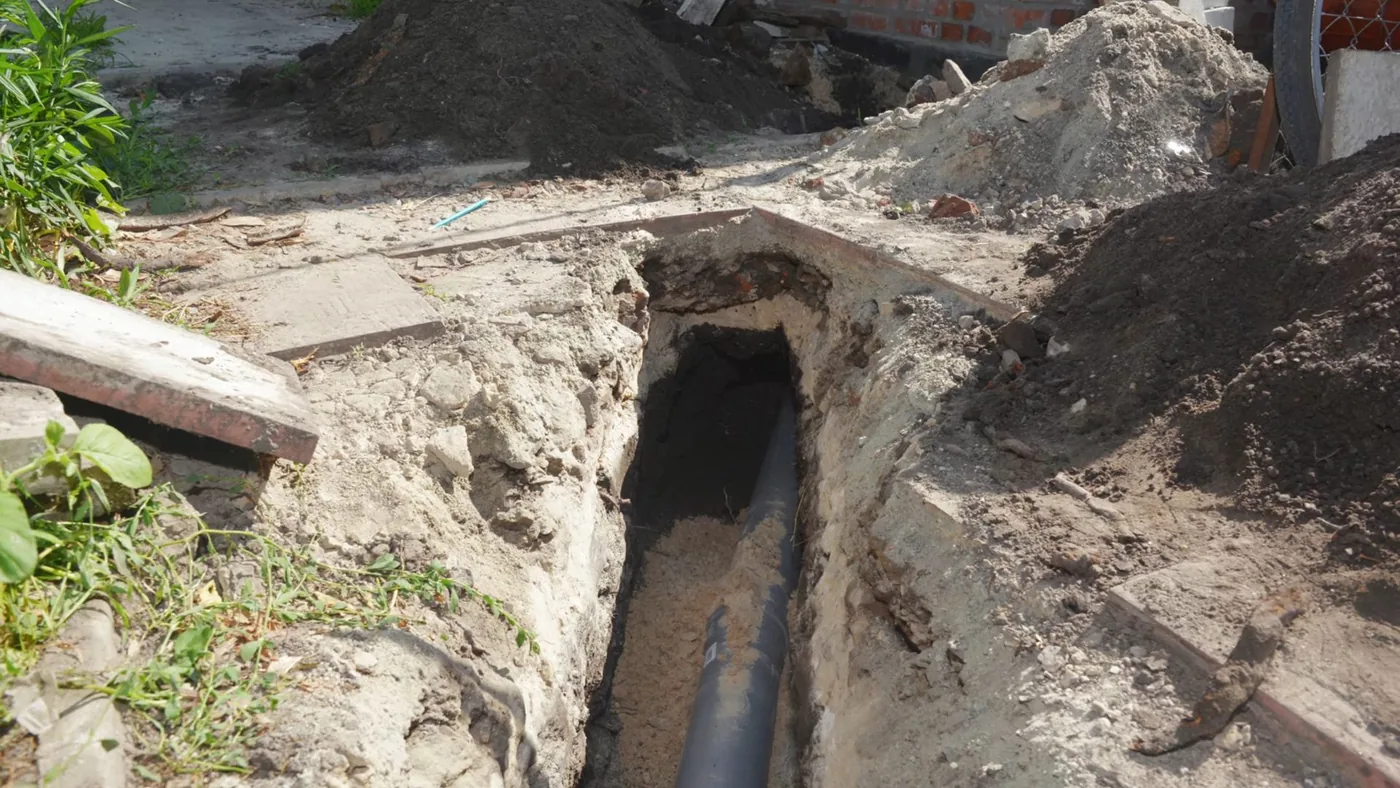
What a good repair quote and report include
- The recorded camera footage, with distances noted
- The cause of the problem, and the section that is damaged
- The repair method and the reason it was chosen
- Excavation, restoration of the yard and who handles each
- Permit and locate steps, and who does them
- A written warranty on the work
- A second camera pass after the repair
Sewer lines serving shops, rentals and multi-unit buildings
A commercial or multi-unit line serves more fixtures, so a blockage affects more people and a repair has more parties to coordinate. Tell the plumber how many units or fixtures share the line, and who owns the building. Ask for the camera video to be shared with the owner. Larger commercial systems with grease interceptors or industrial discharge are outside what this page covers.
How urgent is the sewer problem?
Sewage problems to call about now
- Sewage coming up from a drain, tub or toilet
- A wet or sunken patch of yard over the line
- Every drain slow at once
- A strong sewer smell indoors that will not clear
Plan a visit
- A drain that is slow but still draining
- A line with a history of roots that has been clear for months
- A camera look before buying a house
- Landscaping plans near the line
Sewer backup and repair questions
How do I know if tree roots are in my sewer line?
Slow drains, gurgling and repeat backups that follow a cleaning are common signs, but only a camera can confirm roots. Ask the plumber to record the camera pass, note where the roots enter and tell you whether the pipe is damaged there.
My sewer is backing up. What should I document before the plumber arrives?
Note which drains are affected and where the backup shows first, when it started and whether anything triggered it. Take photos or video of the water and note any recent digging or roots near the line. Stop using water in the meantime.
Do I need to call 811 before a sewer or water line repair that involves digging?
Digging near buried utilities needs a locate. Blue Stakes of Utah takes locate requests online at any hour. Ask your plumber who requests it and how the marks are handled.
When is trenchless pipe lining an option instead of digging up a sewer line?
It can work when the pipe is damaged but still has a continuous path and the access points are usable. A severely collapsed or offset pipe may still need digging. Ask for the camera video and why the plumber chose the method.
Drain, jetting and cleanup pages
Backup now or a camera look needed?
Call and tell the plumber which drains are affected. You will talk to a plumber, not fill in a form.